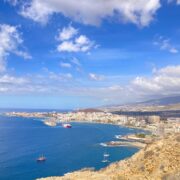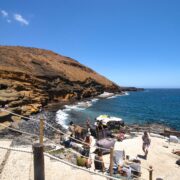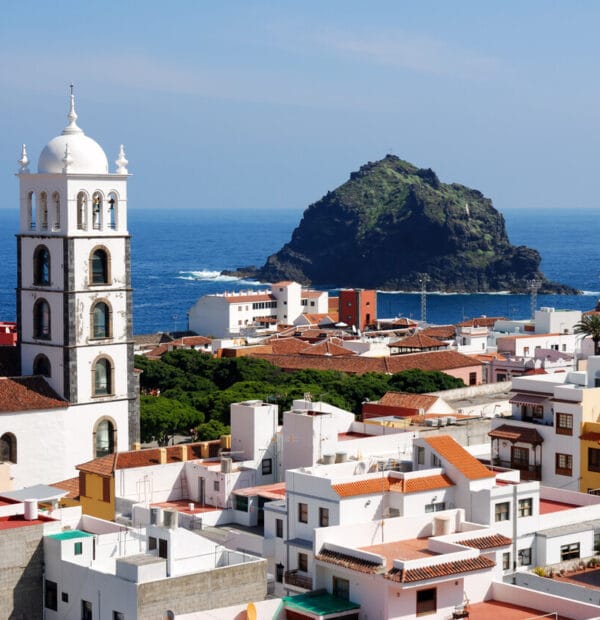
Nestled along the northeastern coast of Spain’s largest Canary Island, Santa Cruz de Tenerife is a hidden gem waiting to be explored. Often overshadowed by Tenerife’s resort towns, this capital city offers the perfect blend of urban life, cultural richness, and natural beauty. Whether you’re a history buff, a foodie, or a sunseeker, Santa Cruz promises an unforgettable experience.
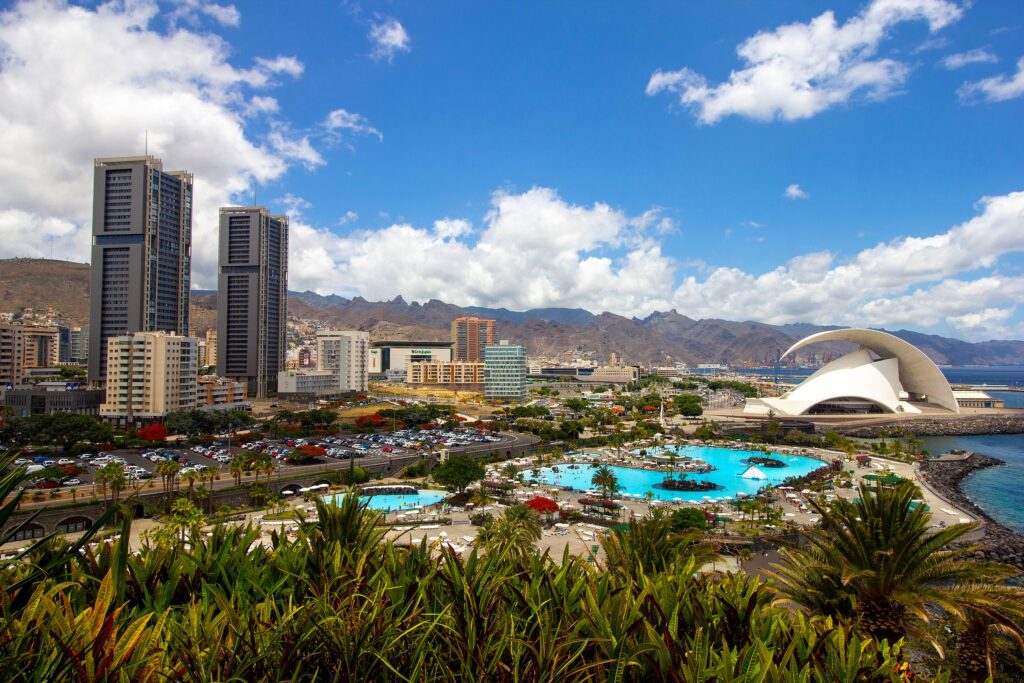
A Brief Overview of Santa Cruz de Tenerife
Location and Geography
Santa Cruz lies on the northeastern tip of Tenerife, one of Spain’s Canary Islands, located off the northwest coast of Africa. Its strategic location makes it a gateway to adventure – surrounded by mountains, volcanic landscapes, and the Atlantic Ocean.
The city boasts a scenic coastline and is close to natural wonders like Anaga Rural Park, known for its deep forests and hiking trails.
A Glimpse into History
Santa Cruz de Tenerife’s story begins in 1494, when Spanish conquistador Alonso Fernández de Lugo landed on the island. From this very spot, the Spanish conquest of Tenerife began, eventually leading to the defeat of the indigenous Guanche people.
After the conquest, the island’s capital was initially established in San Cristóbal de La Laguna, Santa Cruz’s neighboring city and today a UNESCO World Heritage Site. Over time, however, Santa Cruz grew in importance, thanks to its strategic coastal position and naturally sheltered bay.
When a volcanic eruption in the 18th century destroyed the port of Garachico, much of the island’s maritime trade shifted to Santa Cruz. This transformation turned into one of the most vital ports in the Atlantic, a role it still plays today.
Due to its key location on sea routes connecting Europe, Africa, and the Americas, the city faced numerous attacks by English and Dutch fleets. One of the most famous episodes occurred in 1797, when Santa Cruz successfully defended itself against a British assault led by Admiral Horatio Nelson, who famously lost his right arm during the battle.
In the 19th century, Santa Cruz gained independence from La Laguna and was officially declared the capital of the Province of the Canary Islands by King Ferdinand VII. Between 1833 and 1927, it remained the sole capital of the Canary Islands until a Royal Decree established that the title would be shared with Las Palmas de Gran Canaria, a status that continues today.
Climate and Best Time to Visit
Thanks to its subtropical climate, Santa Cruz de Tenerife enjoys mild temperatures year-round, averaging between 20°C and 26°C. The best time to visit is between March and June or September and November, when the weather is perfect and crowds are smaller. If you love festivals, plan your visit during February or early March to experience the world-famous Santa Cruz Carnival.
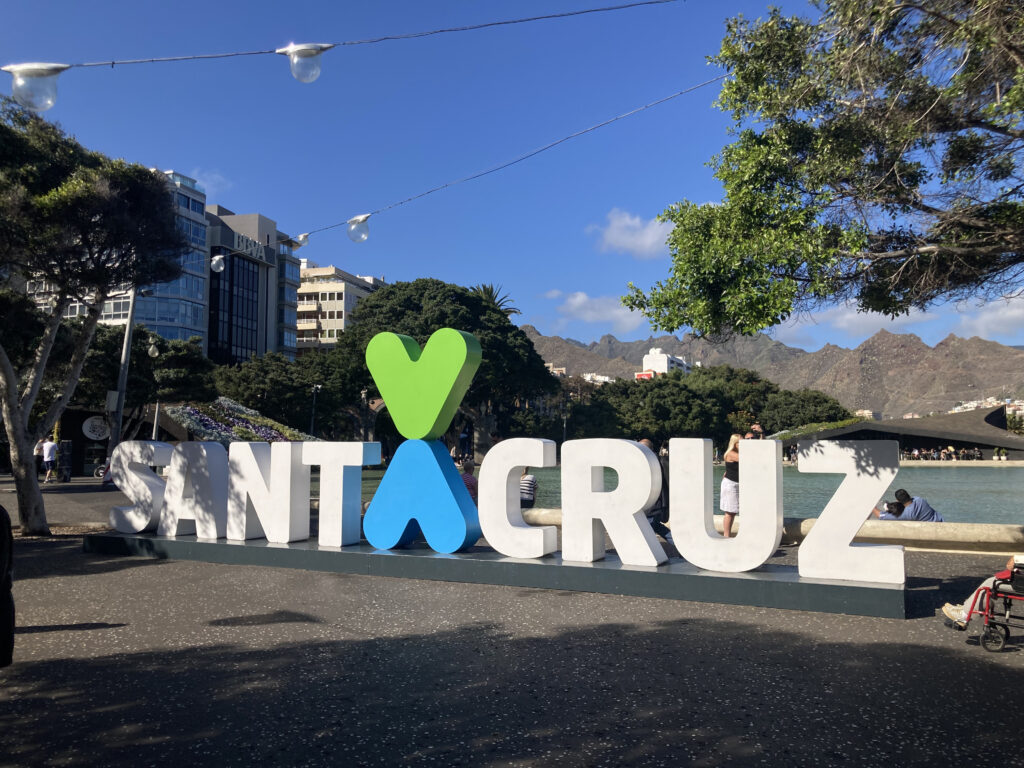
Getting to Santa Cruz de Tenerife
By Air: Flights and Airports
The island of Tenerife is served by two airports: Tenerife North Airport (TFN), just 12 km from Santa Cruz, and Tenerife South Airport (TFS), about an hour away. Direct flights connect Tenerife to major European cities, including Prague, Vienna, London, Madrid, Paris, and Berlin.
By Sea: Ferries and Cruises
Santa Cruz is one of the busiest ports in the Canary Islands, welcoming ferries from mainland Spain (Cádiz and Huelva) and neighboring islands. Many cruise liners also dock here, making it an essential stop on Atlantic itineraries.
Local Transport Options
Getting around Santa Cruz is effortless. You can rely on TITSA buses, or rent a car for exploring beyond the city. The city center is walkable, and cycling is becoming increasingly popular thanks to new bike lanes. You can also get around Santa Cruz and its surroundings by tram.

Top Attractions in Santa Cruz de Tenerife
Plaza de España and the Heart of the City
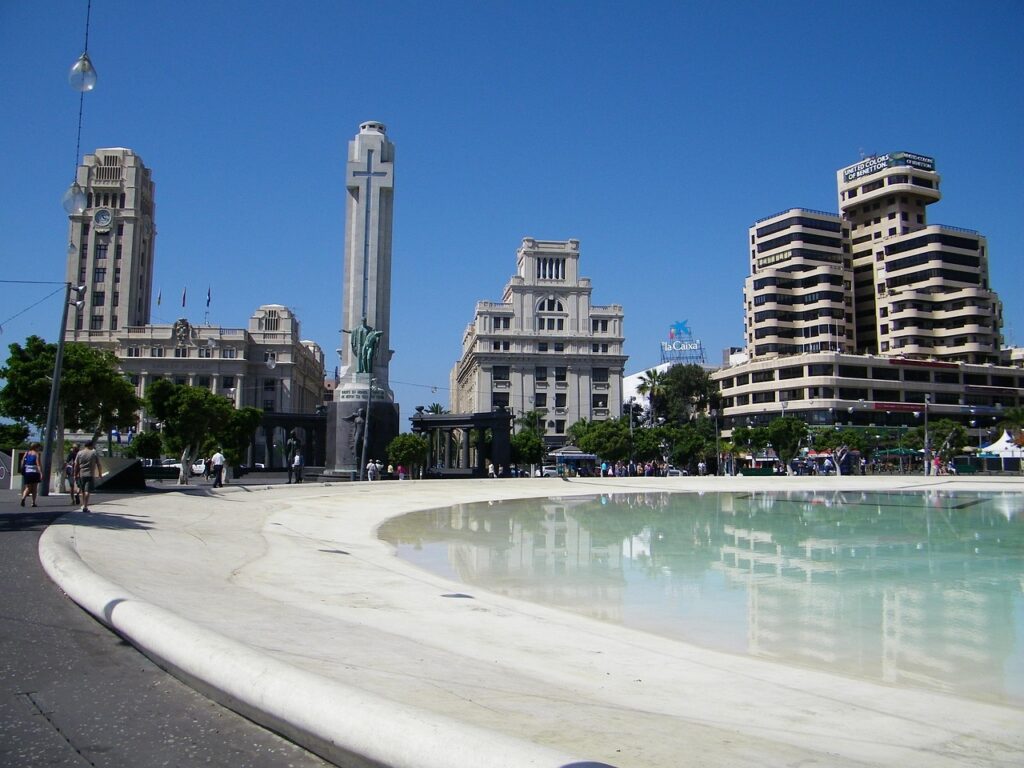
In the very center of Santa Cruz de Tenerife lies Plaza de España, the city’s largest and most iconic square – and the biggest in the entire Canary Islands. Its biggest attraction is a striking artificial lake, designed by Swiss architects Herzog & de Meuron.
Around the plaza stand several important landmarks, including the Palacio Insular de Tenerife, the Palacio de la Carta, and the Plaza de la Candelaria, creating a beautiful mix of historic and modern architecture. In the middle rises the Monumento a los Caídos, a memorial dedicated to those who died during the Spanish Civil War.
Plaza de España is the real heart of the city. Locals and visitors gather here to relax by the fountains, enjoy a coffee, or simply watch life unfold before setting off to explore the streets of Santa Cruz de Tenerife.
Auditorio de Tenerife: An Architectural Marvel
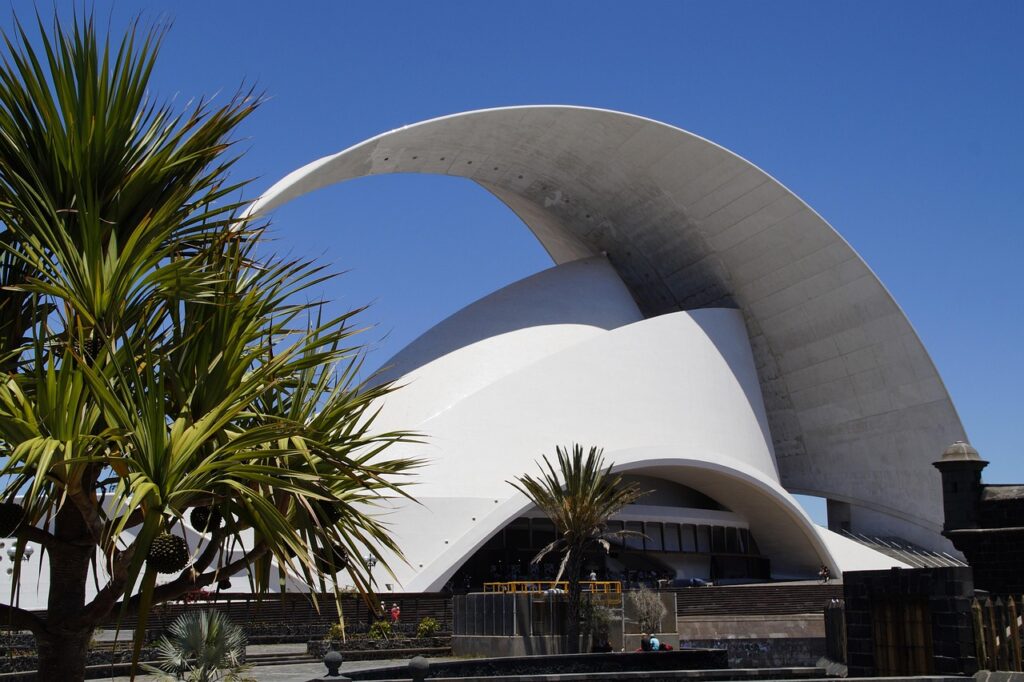
Designed by the world-renowned architect Santiago Calatrava, the Auditorio de Tenerife is one of the island’s most recognizable landmarks. Completed in 2003, its sweeping white curves, often described as resembling ocean sails, rise dramatically against the backdrop of the Atlantic, reflecting both the island’s maritime spirit and modern creativity.
Located right by the Port of Santa Cruz, the auditorium houses several performance spaces, including a large concert hall, an opera room, and smaller multifunctional areas used for cultural events throughout the year. Since its inauguration by Prince Felipe of Asturias in 2003, it has become a true symbol of the city.
Today, the Auditorio de Tenerife is one of the most photographed buildings in the Canary Islands. Thanks to its unique appearance, it has been featured several times in pop culture, for example, in the film Rambo, the TV series Doctor Who, and also in various music videos. Whether admired from afar or explored up close, its graceful design and seaside location make it an unmissable highlight for anyone visiting Santa Cruz de Tenerife.
Mercado de Nuestra Señora de África
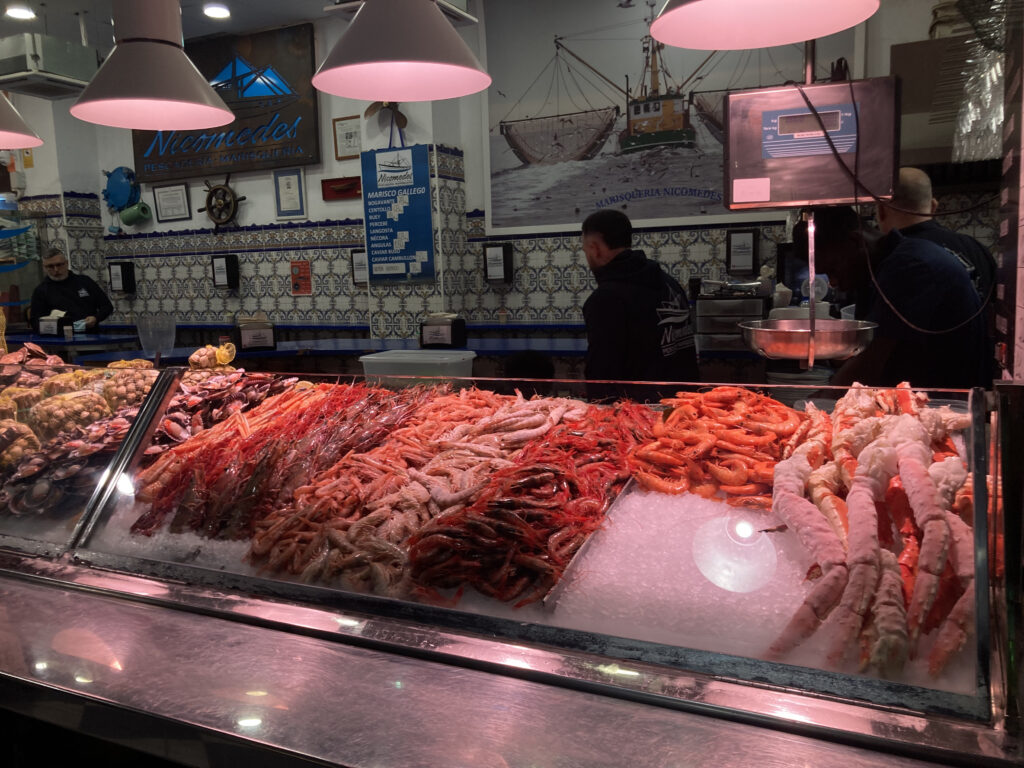
For a genuine taste of local Canarian life, a visit to the Mercado de Nuestra Señora de África, called by locals La Recova, is a must. Opened in 1944, this bustling city market has long been the heart of daily commerce in Santa Cruz de Tenerife, where locals come to shop, chat, and enjoy the lively atmosphere.
The building itself is an attraction, built in a charming neocolonial style with elegant arches and pastel tones that give it a timeless character. Spread across two floors, the market houses stalls overflowing with fresh produce, cheeses, spices, meats, and seafood, as well as traditional crafts and souvenirs.
Wandering through La Recova is a sensory experience; the scent of local spices fills the air, merchants greet you with smiles, and you’ll find the perfect opportunity to taste authentic Canarian flavors while soaking in the vibrant rhythm of the city.
Tenerife Espacio de las Artes (TEA)
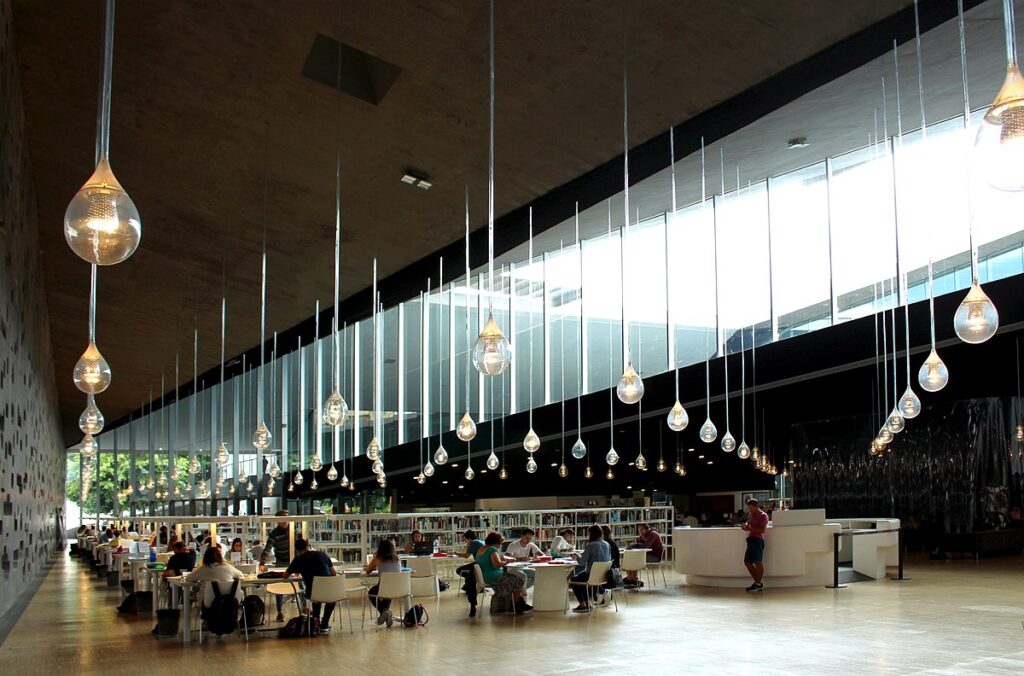
The Tenerife Espacio de las Artes (TEA) is the cultural heart of Santa Cruz de Tenerife and a must-visit for art and design enthusiasts. This contemporary art museum showcases a mix of innovative exhibitions, multimedia installations, and visual experiments, reflecting the island’s modern creative spirit.
Designed by the acclaimed Swiss architects Herzog & de Meuron in collaboration with Canarian architect Virgilio Gutiérrez, the building itself is a masterpiece of modern architecture. Its angular forms, open spaces, and use of natural light make it as inspiring as the art it houses. Inside, you’ll find two main exhibition halls – one dedicated to a permanent collection of contemporary Canarian art, and another hosting temporary international exhibitions.
Beyond the galleries, TEA features a library, event hall, design shop, and a stylish café, making it a perfect place to spend a relaxed afternoon immersed in culture. Whether you’re a serious art lover or simply curious about Tenerife’s modern side, TEA offers a refreshing contrast to the island’s traditional charm.
Casa del Carnaval (The Carnival House)
No visit to Santa Cruz de Tenerife is complete without discovering its most colorful tradition – the Carnival. If you miss this event during your visit, don’t be disappointed – you can still experience it in the Casa del Carnaval, or Carnival House. This attraction offers a fascinating glimpse into this world-famous celebration through a vibrant, interactive museum dedicated entirely to the island’s most iconic event.
The museum features a permanent exhibition hall showcasing dazzling costumes, masks, and accessories from past Carnivals, including the magnificent gown of the reigning Carnival Queen, surrounded by those of her runners-up. Each year, the display is refreshed to include the latest designs worn by Murgas, Comparsas, and other artistic groups that bring the festival to life.
Apart from the exhibits, visitors can explore a documentation and conservation center that preserves the heritage of the Carnival – a valuable resource for researchers, journalists, and students. The space also includes temporary exhibition rooms, a shop offering Carnival-themed souvenirs, and a relaxation area to unwind after the tour.

Playa de Las Teresitas
Just north of the charming fishing village of San Andrés, and easily reachable by bus from the center of Santa Cruz de Tenerife, lies Playa de Las Teresitas – the city’s most famous and photogenic beach.
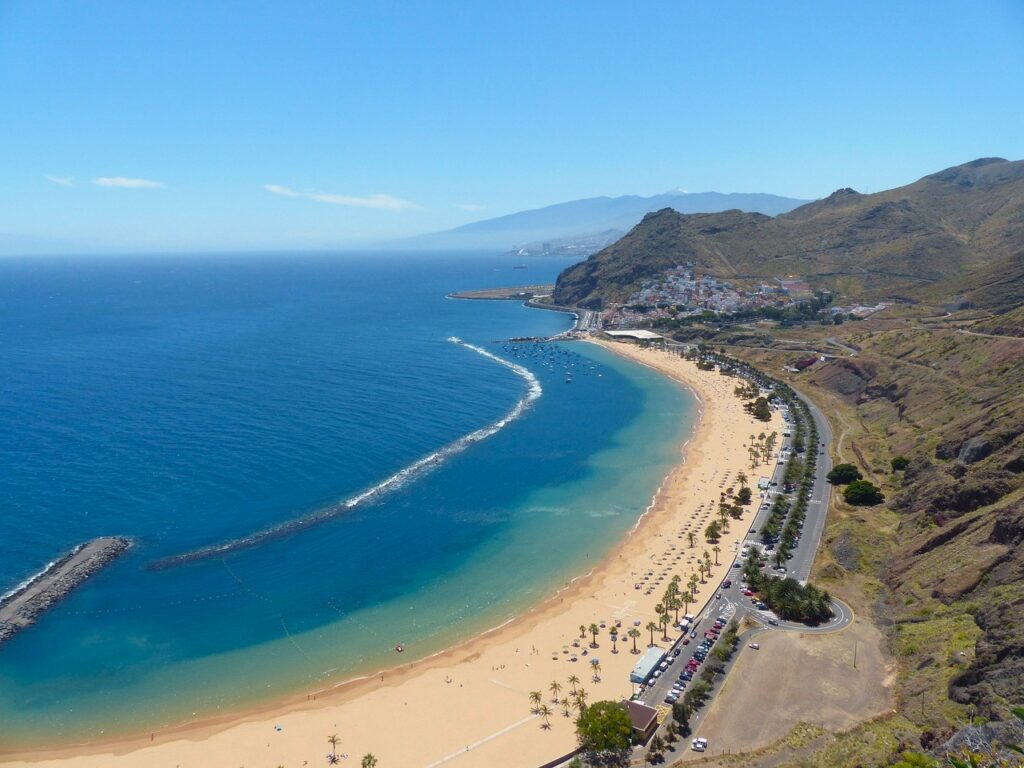
Originally, this stretch of coastline was a rocky area with patches of black volcanic sand, divided into three sections known locally as Tras la Arena, Los Moros, and Las Teresas. By the mid-20th century, much of the island’s natural sand had been used for construction, so when the city decided to create a proper beach, it turned to a bold solution: importing golden sand from the Sahara Desert. The new beach officially opened on June 15, 1973, though not without challenges – including an unexpected arrival of red ants and scorpions hidden in the imported sand!
Today, Playa de Las Teresitas is one of Tenerife’s most beloved and photographed beaches. Protected by a long breakwater, its calm waters are perfect for swimming and paddleboarding. Along the promenade, visitors can enjoy bars, restaurants, and shaded lounging areas, all with stunning views of the turquoise sea and the green mountains of Anaga Rural Park in the background.
Santa Cruz Carnival – The World’s Second Largest
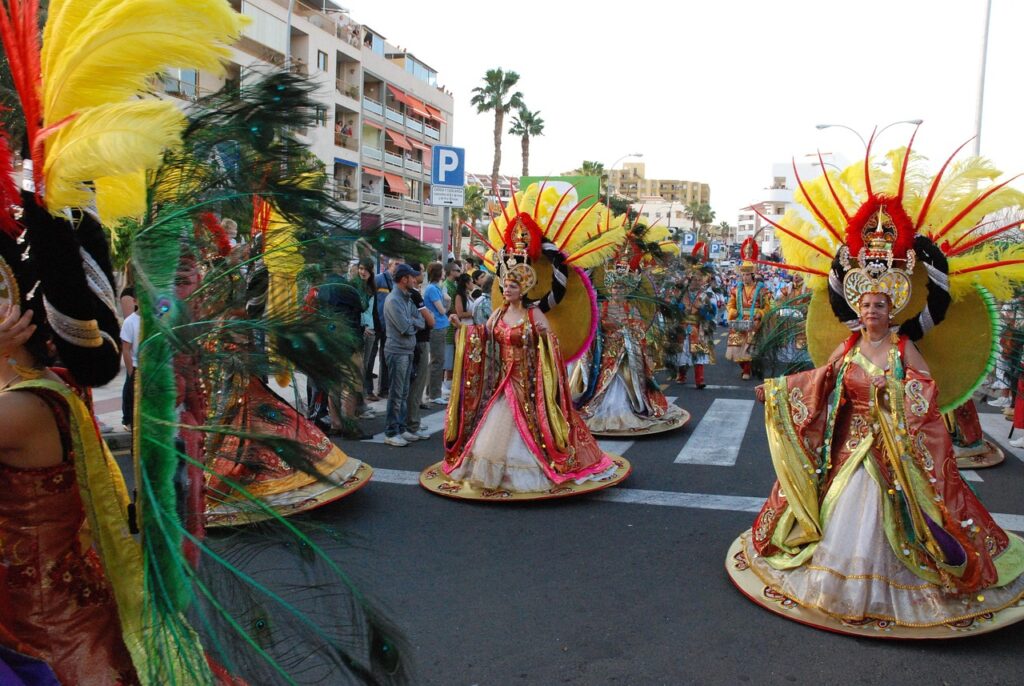
Every year between February and March, the streets of Santa Cruz de Tenerife explode with color, rhythm, and joy during the Santa Cruz Carnival – one of the world’s most famous and spectacular celebrations, second only to Rio de Janeiro’s.
The festivities officially begin on the Friday before Carnival with a grand opening parade, when thousands of locals and visitors in dazzling costumes fill the streets, dancing to Latin beats until sunrise. Over the following days, the city becomes a stage for non-stop entertainment – live music, parades, and costume competitions – culminating on Ash Wednesday with the humorous and symbolic “Burial of the Sardine”, which marks the end of the main celebration. Yet, the party doesn’t truly stop there, it bursts back to life the following weekend, known as the “Weekend of the Piñata.”
The Carnival is divided into two main parts: the official events and the street carnival. The official program features over a hundred artistic groups, including the lively Murgas, Comparsas, and Rondallas, each bringing their own energy, music, and satire to the stage. Meanwhile, the street carnival is pure spontaneity – crowds of costumed revelers dancing freely through the streets, united by music and laughter.
With its vibrant parades, glittering costumes, and electric atmosphere, the Santa Cruz Carnival perfectly captures the joyful spirit of Tenerife. For anyone visiting the island during this time, it’s an unforgettable experience.
Food and Gastronomy in Santa Cruz de Tenerife
Traditional Canarian Dishes to Try
Santa Cruz de Tenerife is a paradise for food lovers, offering a mix of authentic Canarian flavors and international influences. Local cuisine is simple yet full of character, built around fresh seafood, island-grown vegetables, and aromatic spices.
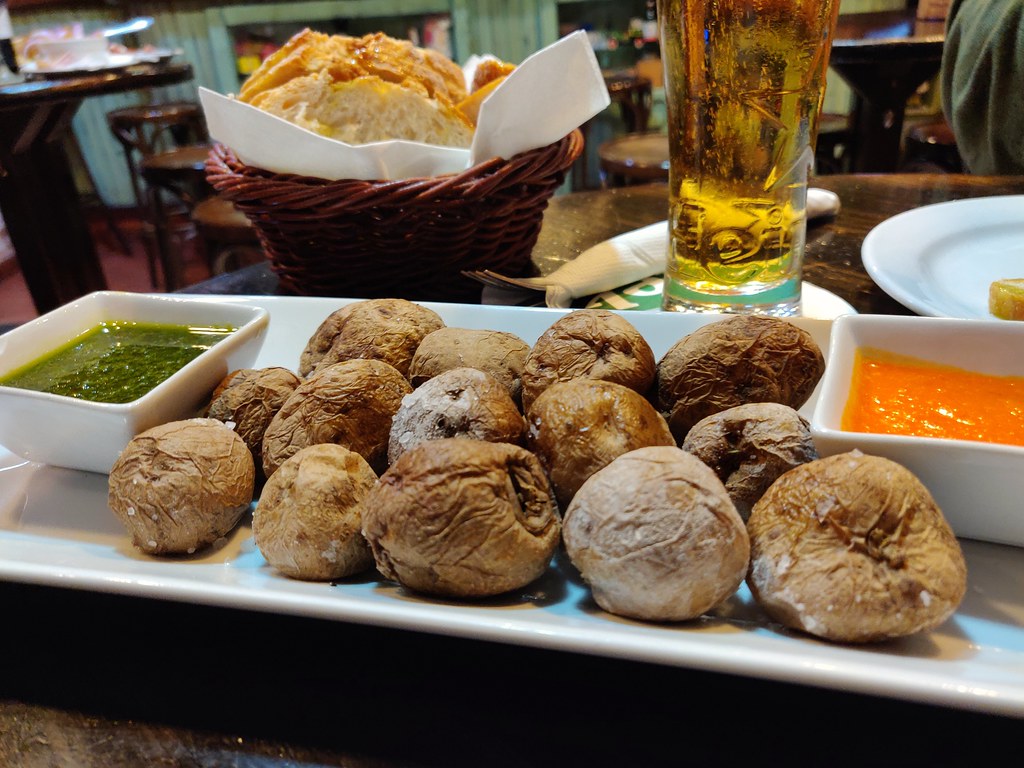
No visit is complete without trying papas arrugadas – small, salty “wrinkled potatoes” served with vibrant mojo sauces (red or green). Pair them with freshly grilled fish, ropa vieja (a flavorful chickpea stew with shredded meat), or gofio, a traditional roasted grain flour used in both savory and sweet dishes.
Many local restaurants offer tapas-style portions, allowing visitors to sample a bit of everything while enjoying Tenerife’s relaxed, social dining atmosphere.
Best Restaurants, Tapas Bars, and Local Eats
In the heart of Santa Cruz, La Hierbita remains a top choice for tasting traditional Canarian recipes in a charming colonial-style house. Another beloved spot is El Puntero, famous for its generous portions of freshly caught fish and homely atmosphere.
For something more casual, TKO Tacos is a standout among locals and visitors alike. Located on one of the city’s main streets, it’s known for serving affordable and delicious tacos, bursting with flavor and perfect for a quick, satisfying bite. The relaxed vibe and friendly service make it a great stop between sightseeing spots.
If you’re looking for a lively Spanish-style pub experience, head to 100 Montaditos, a popular national chain offering mini sandwiches (montaditos), snacks, and drinks at unbeatable prices. It’s the perfect spot to enjoy a cold beer or tinto de verano with friends while soaking in the city’s easygoing energy.
Local Drinks and Nightlife
When it comes to drinks, Santa Cruz offers plenty of ways to unwind. Try a glass of Malvasía, Tenerife’s famous sweet wine, or sample local craft beers brewed on the island. In the evening, head to Calle La Noria, a street lined with lively bars, terraces, and restaurants, where locals gather to eat, drink, and dance late into the night.
Where to Stay in Santa Cruz de Tenerife
Santa Cruz de Tenerife offers a wide range of accommodations to suit every style and budget – from luxury hotels overlooking the sea to cozy boutique stays in the heart of the city.
Luxury Hotels
For those seeking comfort and style, Iberostar Heritage Grand Mencey is a local icon. This elegant five-star hotel combines modern luxury with traditional Canarian charm, featuring lush gardens, a spa, and one of the city’s best brunches. Another excellent choice is Hotel Taburiente, ideally located near García Sanabria Park, offering rooftop views, a pool, and excellent service.
Boutique and Mid-Range Stays
Travelers looking for personality and convenience will love Hotel Colón Rambla, known for its spacious rooms and relaxing outdoor pool, or Hotel Adonis Plaza, right next to Plaza de España – perfect for exploring the city on foot. For a cozy, design-focused stay, NH Tenerife offers a comfortable, modern vibe with easy access to shops, cafés, and the port.
Budget-Friendly Options
If you’re traveling on a budget, the city also has a growing number of hostels, Airbnb, and apartment rentals, great for longer stays or travelers wanting a more local experience.
Insider Travel Tips for First-Time Visitors
Safety, Etiquette, and Local Customs
Santa Cruz de Tenerife is considered one of the safest cities in Spain, with a relaxed and friendly atmosphere. Petty theft is rare but, as with any tourist area, keep an eye on your belongings in crowded places and during Carnival.
Locals are warm and welcoming – a simple “hola” or “buenos días” is always appreciated. Tipping isn’t mandatory, but leaving 5–10% in restaurants or rounding up the bill is a nice gesture. When visiting churches or official buildings, dress modestly, and avoid loud behavior during siesta hours (roughly 2–5 PM), when many small shops close for a midday break.
Transportation Hacks and Budget Tips
Getting around Santa Cruz is easy and affordable. The TITSA green buses connect the city with nearby towns and beaches, and the tram (Tranvía de Tenerife) is a clean, efficient way to reach La Laguna. Consider buying a Ten+ travel card, which offers discounted fares on buses and trams.
For beach lovers, local buses to Playa de Las Teresitas leave regularly from the city center. If you’re planning day trips to Mount Teide or other parts of the island, renting a car is the best option – roads are well-maintained, and parking is generally easy outside peak hours.
Budget-wise, Santa Cruz is cheaper than most European cities. Street food, tapas, and daily menus (menú del día) are excellent value, and many museums offer free entry days. Don’t forget to bring a reusable bottle – tap water in Tenerife is safe to drink.
Frequently Asked Questions (FAQ)
What is the best time to visit Santa Cruz de Tenerife?
The best time to visit is from March to June or September to November, when the weather is warm but not too hot and the city is less crowded. February is ideal if you want to experience the Santa Cruz Carnival.
How many days should I spend in Santa Cruz?
Plan to stay at least 2–3 days to explore the city’s main attractions, museums, and beaches. If you want to include nearby areas like La Laguna or Anaga Rural Park, consider 4–5 days.
Is Santa Cruz de Tenerife good for families?
Yes! The city is family-friendly, with safe streets, parks, beaches, and plenty of activities suitable for children.
Can I swim at Playa de Las Teresitas year-round?
Absolutely. Thanks to Tenerife’s mild subtropical climate, the water remains comfortable for swimming throughout the year, averaging around 21°C (70°F).
What local dishes should I try?
Try papas arrugadas with mojo sauce, fresh seafood, gofio, and local cheeses. For drinks, taste Malvasía wine or a refreshing barraquito, a sweet layered coffee typical of the Canary Islands.
Is Santa Cruz walkable?
Yes. The city center is compact and pedestrian-friendly. You can easily walk from Plaza de España to the Auditorio, TEA, and many local shops and cafés within 15–20 minutes.