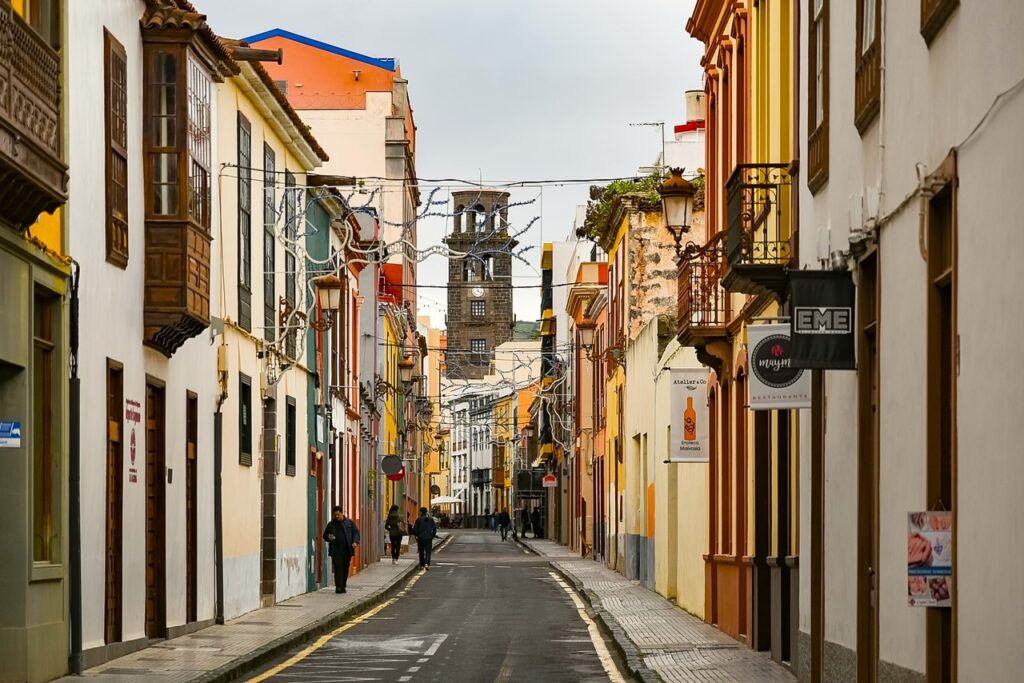
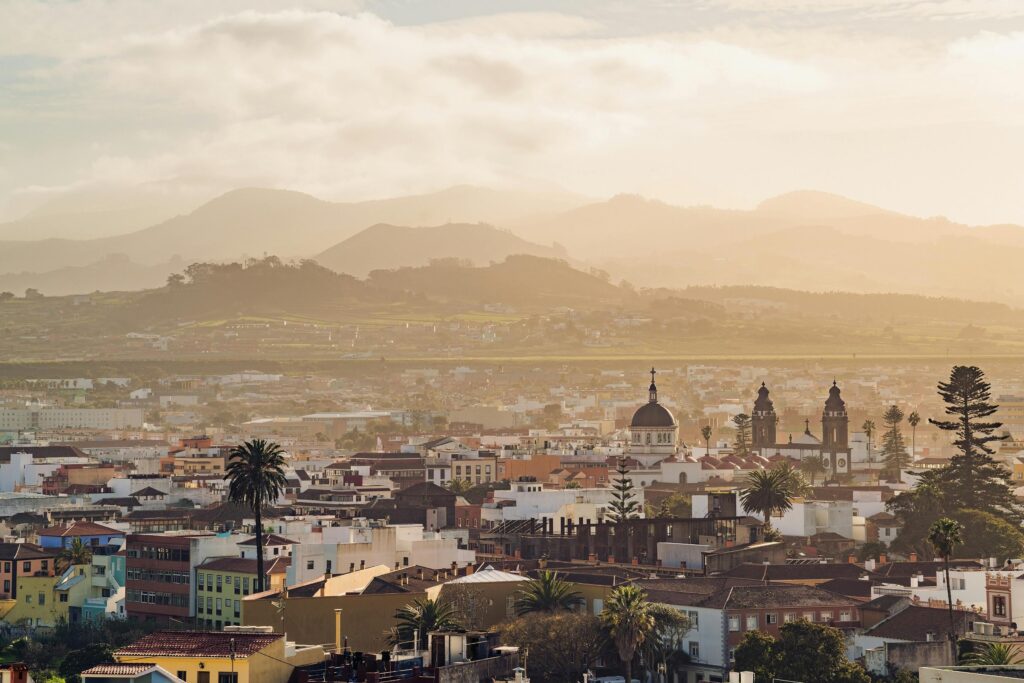
San Cristóbal de La Laguna is one of the most fascinating and historically significant cities on Tenerife. Often simply called La Laguna, this former capital of Tenerife and later the whole Canary Islands offers a completely different atmosphere compared to the resort areas in the south. With its colorful colonial architecture, pedestrian-friendly streets, vibrant student life, and deep cultural roots, La Laguna is a destination that feels authentic, intellectual, and proudly Canarian.
Most importantly, San Cristóbal de La Laguna is a UNESCO World Heritage Site, recognized for its exceptional urban layout and historical influence far beyond the Canary Islands. Whether you are interested in history, architecture, local gastronomy, or simply want to experience a more genuine side of Tenerife, La Laguna deserves a prominent place on your itinerary.
Where Is San Cristóbal de La Laguna?
San Cristóbal de La Laguna is located in the north of Tenerife, just a few kilometers from Santa Cruz de Tenerife, the island’s capital. Thanks to its elevated position, the city enjoys a slightly cooler and fresher climate than coastal areas, making it a pleasant destination year-round.
La Laguna is also home to the University of La Laguna, the oldest university in the Canary Islands, which gives the city a lively, youthful energy combined with centuries-old traditions.
A Short History of San Cristóbal de La Laguna
San Cristóbal de La Laguna was founded in 1496 by Alonso Fernández de Lugo shortly after the Spanish conquest of Tenerife. It quickly became the political, religious, and administrative center of the island.
Unlike many European cities, La Laguna was not built around defensive walls. Instead, it was designed as an open city with a grid-like street layout. This innovative urban plan later became a model for colonial cities in Latin America, influencing the development of cities such as Havana, Lima, Cartagena, and Mexico City.
For centuries, La Laguna was the intellectual heart of Tenerife, home to the island’s elite, religious institutions, and administrative authorities. Although Santa Cruz eventually took over as the capital, La Laguna preserved its historical character remarkably well.
Why Is La Laguna a UNESCO World Heritage Site?
San Cristóbal de La Laguna was inscribed on the UNESCO World Heritage List in 1999, and its status is one of the city’s most defining features.
What Makes La Laguna Unique?
La Laguna is recognized by UNESCO primarily because of:
- Its pioneering urban layout based on a grid plan without fortifications
- Its influence on Latin American colonial cities
- Its exceptional preservation of historical architecture
The city represents a key moment in the history of urban planning, where Renaissance ideals were applied to create an orderly, harmonious city that balanced civil, religious, and residential spaces.
The Old City and Its Architecture
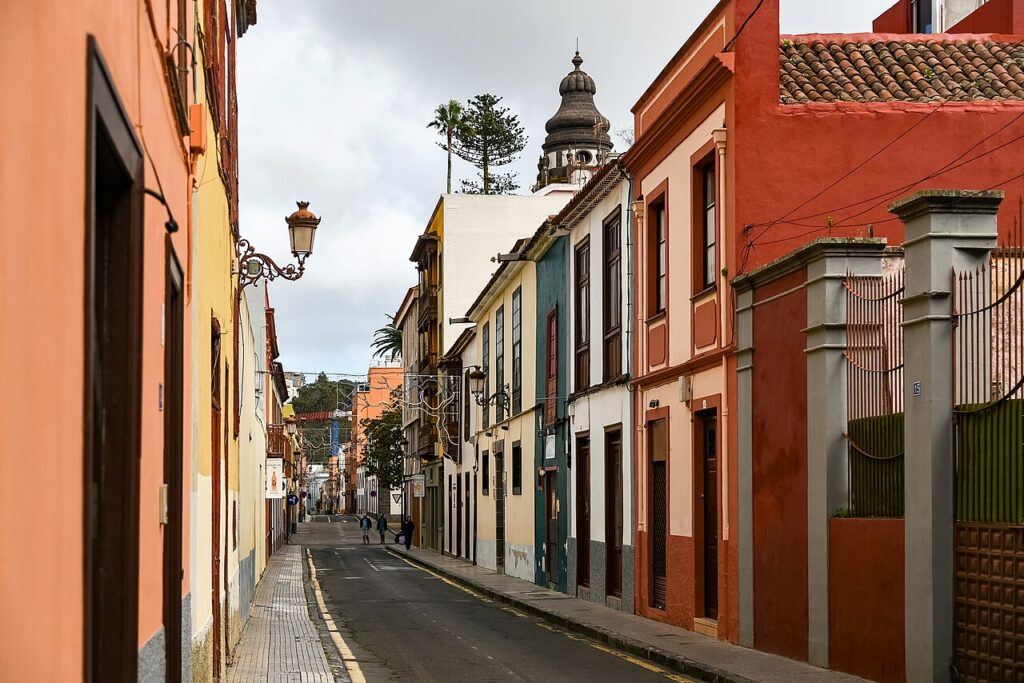
Walking through the historic center feels like stepping back in time. The Old City is filled with:
- Colonial-style buildings
- Elegant mansions with wooden balconies
- Spacious inner courtyards with gardens and palm trees
- Pastel-colored façades and traditional Canarian details
What makes La Laguna special is that it is not an open-air museum. People live here, study here, work here, and celebrate life here – making the experience both historical and deeply local.
Top Things to See in San Cristóbal de La Laguna
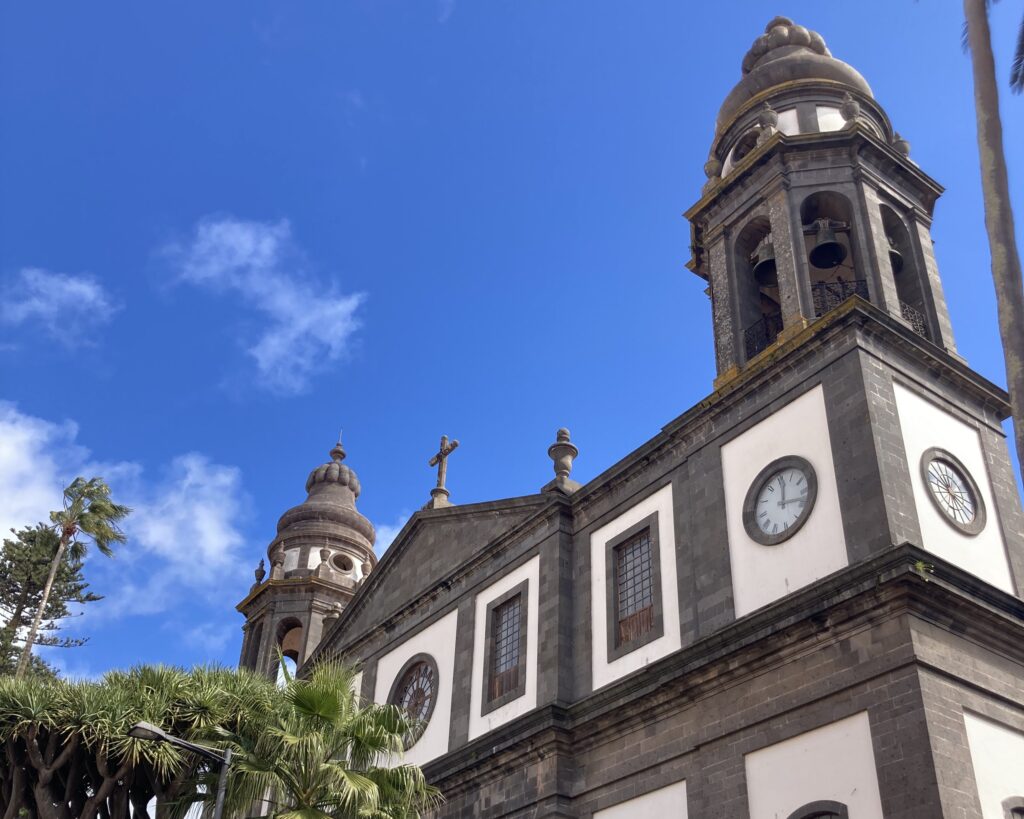
Santa Iglesia Catedral de San Cristóbal de La Laguna
The Cathedral of La Laguna is one of the city’s most important landmarks. Originally built in the early 16th century and later reconstructed, the cathedral combines neoclassical and neo-Gothic elements.
Inside, you’ll find:
- A bright and spacious interior
- Beautiful stained-glass windows
- Religious artworks and altarpieces
- A peaceful atmosphere in the heart of the city
The cathedral also plays a central role in many religious celebrations throughout the year.
Real Santuario del Santísimo Cristo de La Laguna
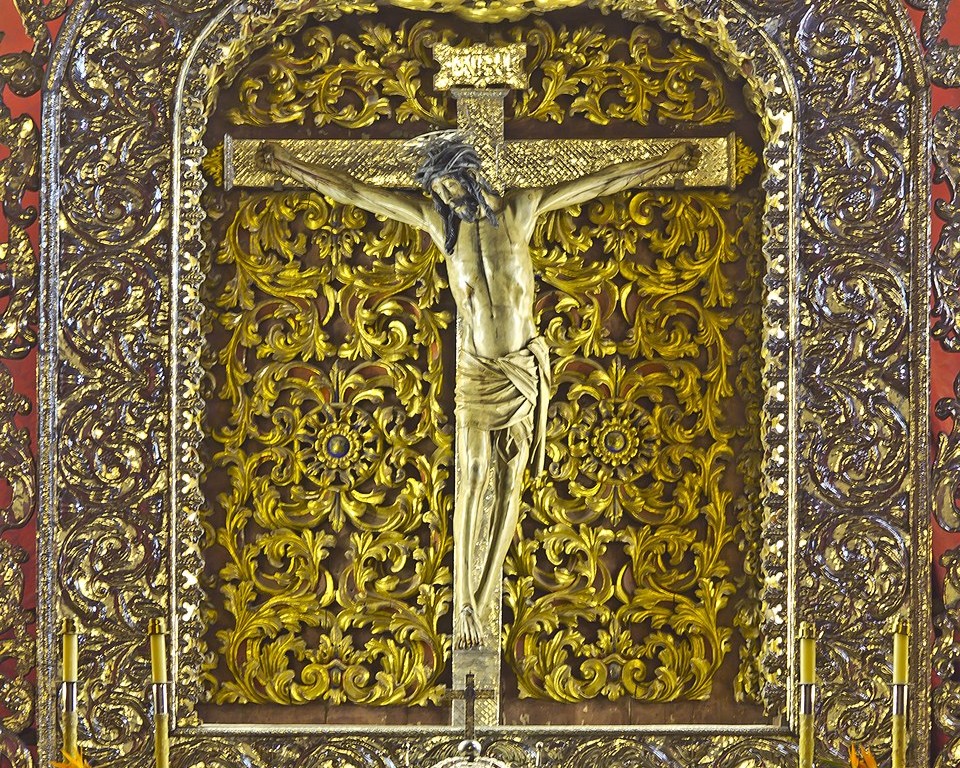
This sanctuary is one of the most sacred religious sites in Tenerife. It houses the revered image of Cristo de La Laguna, which has deep spiritual and cultural significance for locals.
Every year in September, thousands of people participate in celebrations honoring Cristo de La Laguna, making this sanctuary a focal point of one of the island’s most important religious festivals.
Iglesia de la Concepción
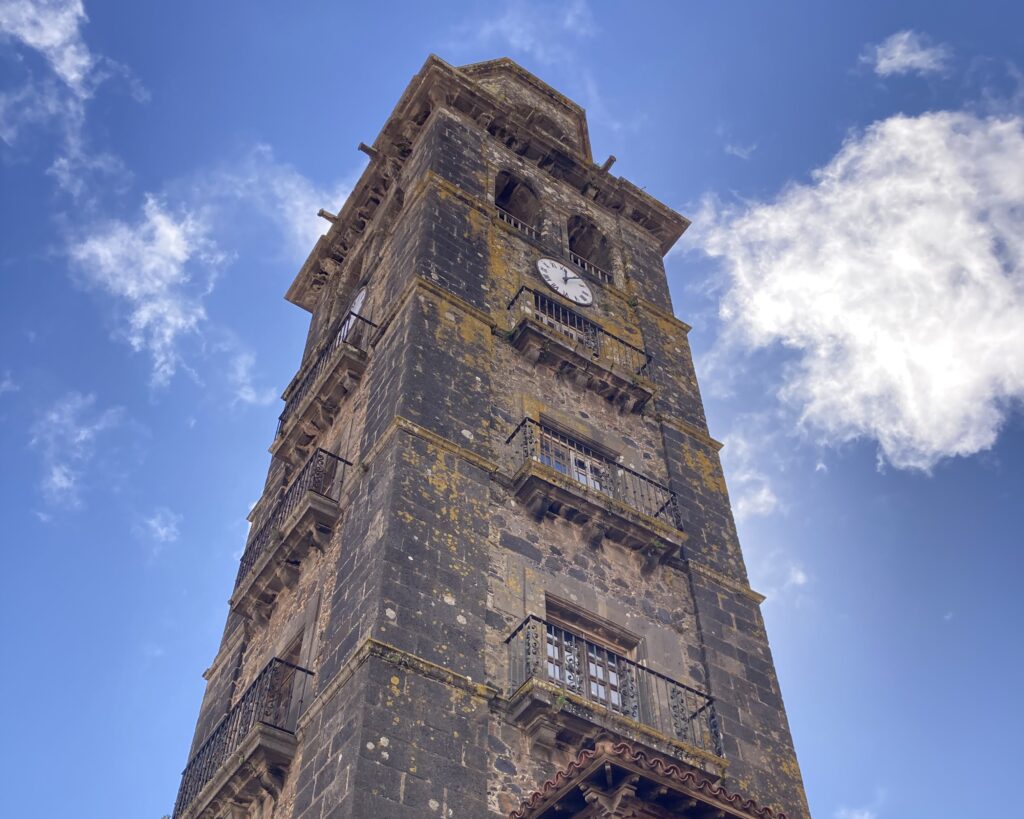
The Church of the Immaculate Conception is easily recognizable thanks to its iconic bell tower, one of the symbols of La Laguna.
Climbing the tower rewards visitors with:
- Panoramic views over the historic center
- A better understanding of the city’s layout
- A unique perspective on La Laguna’s rooftops and courtyards
The church itself is one of the oldest on the island and played a crucial role in the city’s early development.
The Old City (Historic Center)
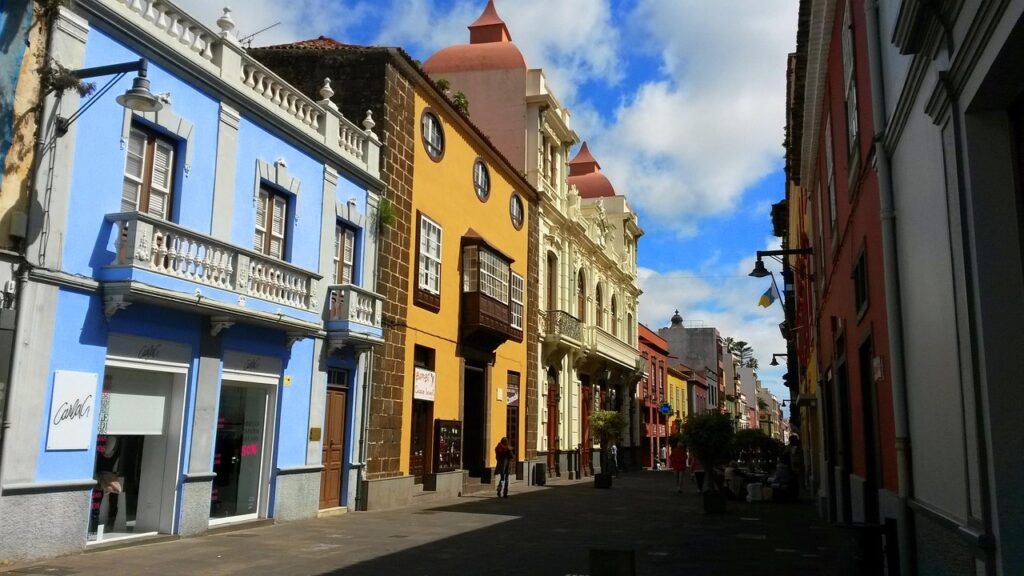
The historic center of La Laguna is the main reason the city earned UNESCO status.
As you explore, you’ll notice:
- Straight streets forming a Renaissance-style grid
- Former noble houses with carved wooden balconies
- Central courtyards that bring light and air into buildings
- A calm, walkable atmosphere ideal for slow exploration
This urban design was revolutionary at the time and later exported to the Americas, shaping the structure of many major cities across the Atlantic.
Museum of the History of Tenerife (Casa Lercaro)
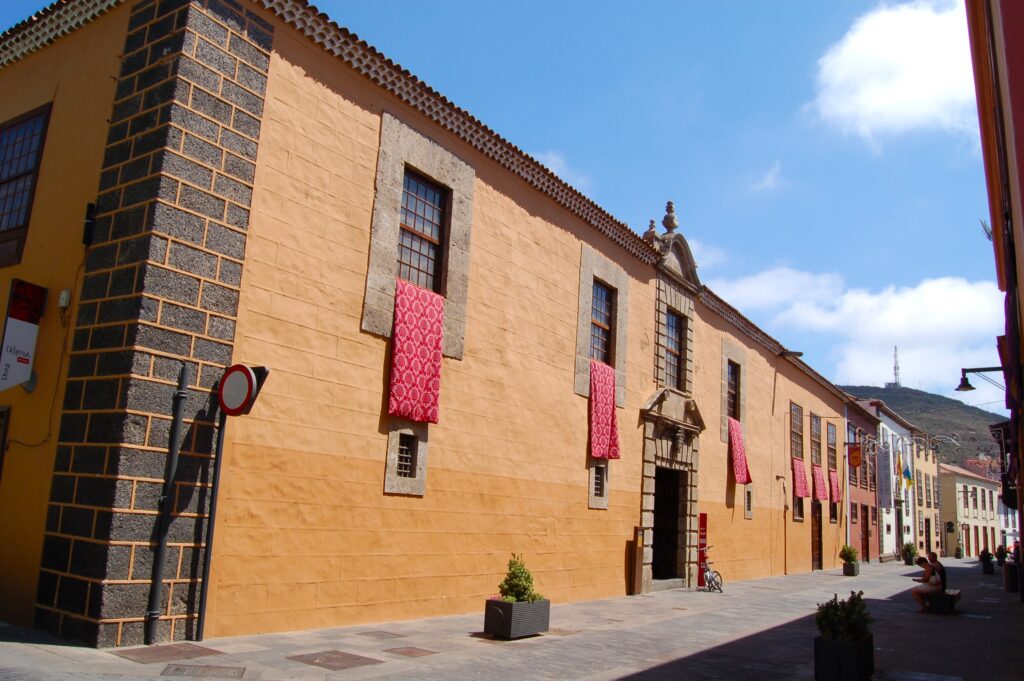
Housed in a beautifully restored 16th-century mansion, the Museum of the History of Tenerife offers insight into the island’s past, from pre-Hispanic Guanche culture to Spanish colonization.
The museum is also famous for the legend of Catalina Lercaro, a young woman from the 16th century who allegedly took her own life after being forced into marriage. According to local stories, her ghost still wanders the building, making this museum especially intriguing for visitors interested in Tenerife’s darker legends.
Additional Places Worth Visiting
- Plaza del Adelantado – a historic square surrounded by important buildings
- Casa de los Capitanes Generales – a former residence of Tenerife’s governors
- Convento de Santa Catalina de Siena – a hidden gem with a quiet courtyard
- University of La Laguna area – lively, cultural, and full of cafés
Festivals and Celebrations in La Laguna
San Cristóbal de La Laguna has a rich calendar of religious and cultural festivals.
Fiestas del Santísimo Cristo de La Laguna (September)
The Fiestas del Santísimo Cristo de La Laguna are the most important and emotionally significant celebrations in the city and one of the major religious events on the entire island of Tenerife. Held every September, these festivities honor the revered image of Cristo de La Laguna, which has been worshipped here for centuries. The celebrations combine deep religious devotion with a vibrant cultural program, including solemn processions through the historic streets, open-air concerts, exhibitions, traditional fairs, and fireworks. During this time, La Laguna comes alive day and night, attracting both locals and visitors from all over the island. The atmosphere is intense yet welcoming, offering a unique opportunity to witness how faith, tradition, and community spirit are still deeply rooted in Canarian life.
Holy Week (Semana Santa)
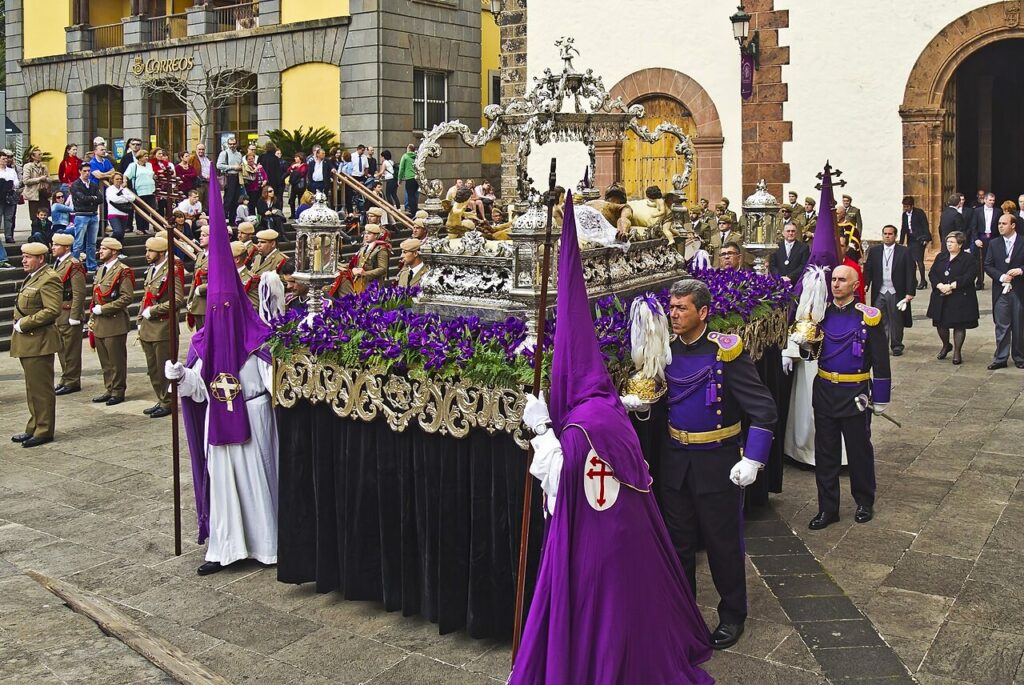
Holy Week, or Semana Santa, is another key event in La Laguna’s annual calendar and is widely regarded as one of the most beautiful and atmospheric Holy Week celebrations in the Canary Islands. Taking place in the days leading up to Easter, the city’s historic center becomes the setting for solemn processions organized by local religious brotherhoods. Participants carry richly decorated religious statues through candle-lit streets, accompanied by music, incense, and traditional attire. Thanks to La Laguna’s preserved colonial architecture and pedestrian streets, the processions feel especially authentic and moving. Even for visitors who are not religious, Semana Santa offers a powerful cultural experience and a deeper insight into the spiritual traditions of Tenerife.
Romerías and Local Fiestas
Throughout the year, San Cristóbal de La Laguna also hosts several romerías and traditional local festivals that celebrate Canarian heritage, rural traditions, and community life. Romerías are festive pilgrimages in which participants dress in traditional clothing, decorate carts with flowers and agricultural products, and share local food and wine. Music, folk dancing, and a joyful atmosphere fill the streets, creating a lively contrast to the city’s otherwise calm historic character. These events are deeply rooted in agricultural traditions and are an excellent way for visitors to experience authentic Canarian culture beyond sightseeing.
Where to Eat in San Cristóbal de La Laguna
La Laguna has an excellent food scene, ranging from traditional Canarian cuisine to international flavors.
Recommended Restaurants and Cafés
- Restaurante Arepera 23 – popular Venezuelan spot known for delicious arepas
- Amordiscos – famous for its outstanding cheesecakes and creative desserts
- Tasca La Carpintería – great for tapas and local wines
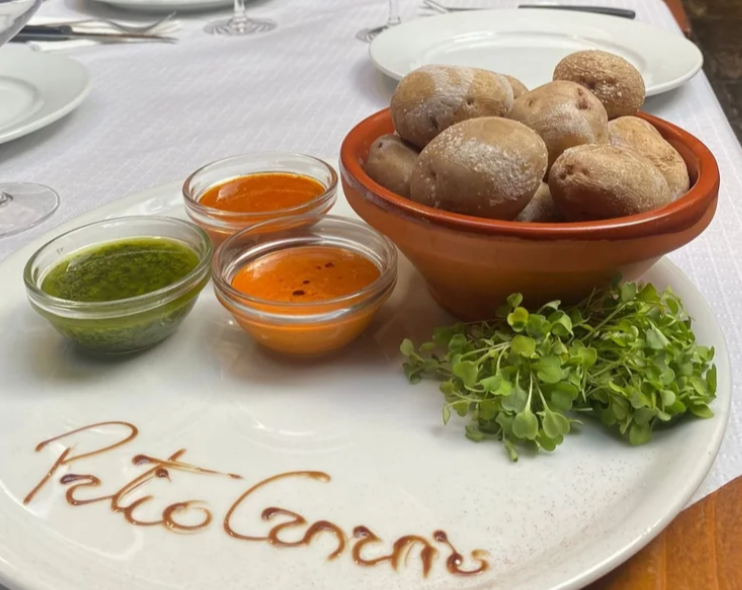
- Patio Canario – cozy atmosphere and traditional dishes
- Café 7 – ideal for breakfast, brunch, or a relaxed coffee break
How to Get to San Cristóbal de La Laguna
Getting to La Laguna is easy, even without a car.
By Tram
The tram line connects Santa Cruz and La Laguna, making it one of the most convenient ways to travel between the two cities.
By Car
La Laguna is well connected by highways, and several parking areas are available around the historic center.
By Bus
Regular buses run from Santa Cruz, Tenerife North Airport, and other parts of the island.
What to See Near La Laguna
Anaga Rural Park
Just minutes from La Laguna, Anaga Rural Park offers dramatic landscapes, ancient laurel forests, and hiking trails with breathtaking views.
Santa Cruz de Tenerife
Combine your visit with Santa Cruz to explore:
- Auditorio de Tenerife
- Local markets
- Shopping streets
- Coastal promenades
The tram makes it easy to move between both cities in one day.
Is San Cristóbal de La Laguna Worth Visiting?
Absolutely. La Laguna is ideal for travelers who want:
- Authentic Canarian culture
- History and architecture
- A UNESCO World Heritage experience
- A break from mass tourism
It’s a city best explored slowly, with time for walking, eating, and absorbing its unique atmosphere.
Frequently Asked Questions (FAQ)
Is San Cristóbal de La Laguna a UNESCO World Heritage Site?
Yes, it has been listed as a UNESCO World Heritage Site since 1999 due to its historical urban layout and architectural preservation.
How much time do you need to visit La Laguna?
Half a day is enough for highlights, but a full day allows for museums, food, and a relaxed pace.
Is La Laguna good for families?
Yes, the city is walkable, safe, and offers cultural attractions suitable for all ages.
Can you visit La Laguna without a car?
Yes, the tram and bus connections make it very accessible.
Is La Laguna different from tourist resorts in Tenerife?
Very much so. La Laguna is cultural, local, and authentic rather than resort-oriented.