If you’re planning a trip to Tenerife and want to experience something more intimate than a big theme-park-zoo, Monkey Park is a small, charming wildlife park that offers a unique, hands-on experience – ideal for families, couples, solo travellers or anyone who simply loves animals.
In this post, we’ll walk you through everything you need to know before visiting: what the park is like, what animals you’ll meet (and feed!), practical info and how to get there, along with a few tips to make your visit extra enjoyable.
What is Monkey Park?
Located in the south of Tenerife, near the resort town Los Cristianos, Monkey Park is often described as “the biggest little zoo in the world.”
It was founded in 1991 and over the years has become an international centre focusing especially on the breeding and conservation of endangered primate species.
Despite its modest size compared to large-scale zoos, the park delivers a very different experience: it emphasizes close and respectful interactions with animals over loud shows or flashy attractions.
The grounds are tranquil and richly landscaped: palms, exotic plants, cacti and dracaenas surround enclosures, giving the park a cozy, almost jungle-garden vibe.
Visiting Monkey Park feels more like taking a gentle stroll through a peaceful animal garden than attending a large, heavily touristic zoo. This “small-but-magic” character makes it a perfect half-day escape – especially when you want a relaxed break from the beach or busy tourist hubs.
What Animals Can You See (and Touch)?
One of Monkey Park’s biggest draws is its diverse collection of animals. While primates are the main focus, the park also hosts reptiles, birds and small mammals, offering a mini-world of biodiversity.
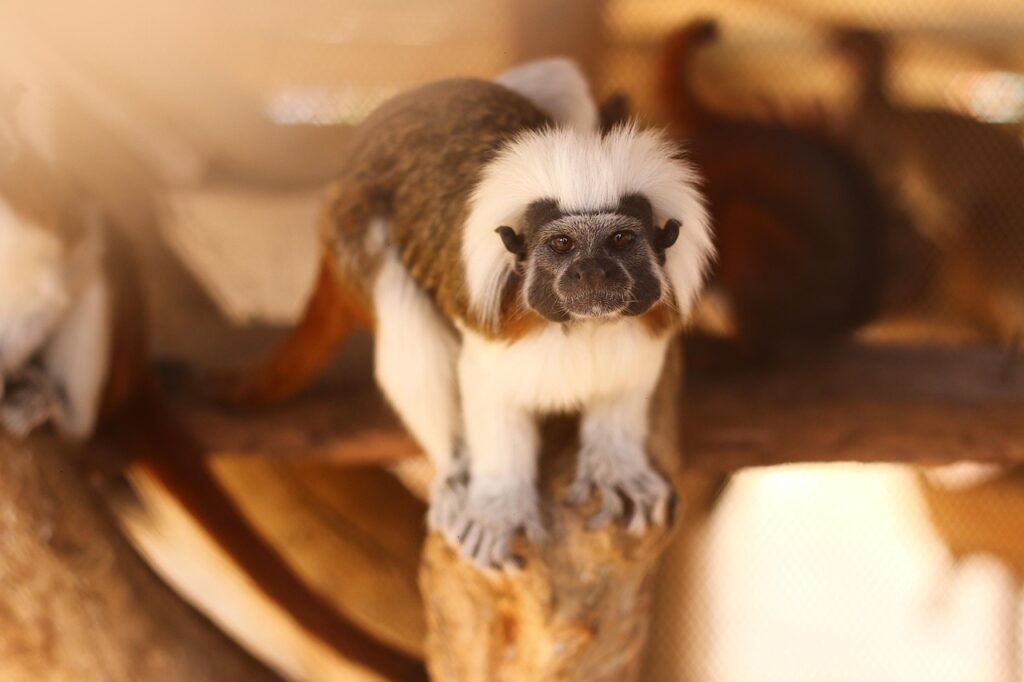
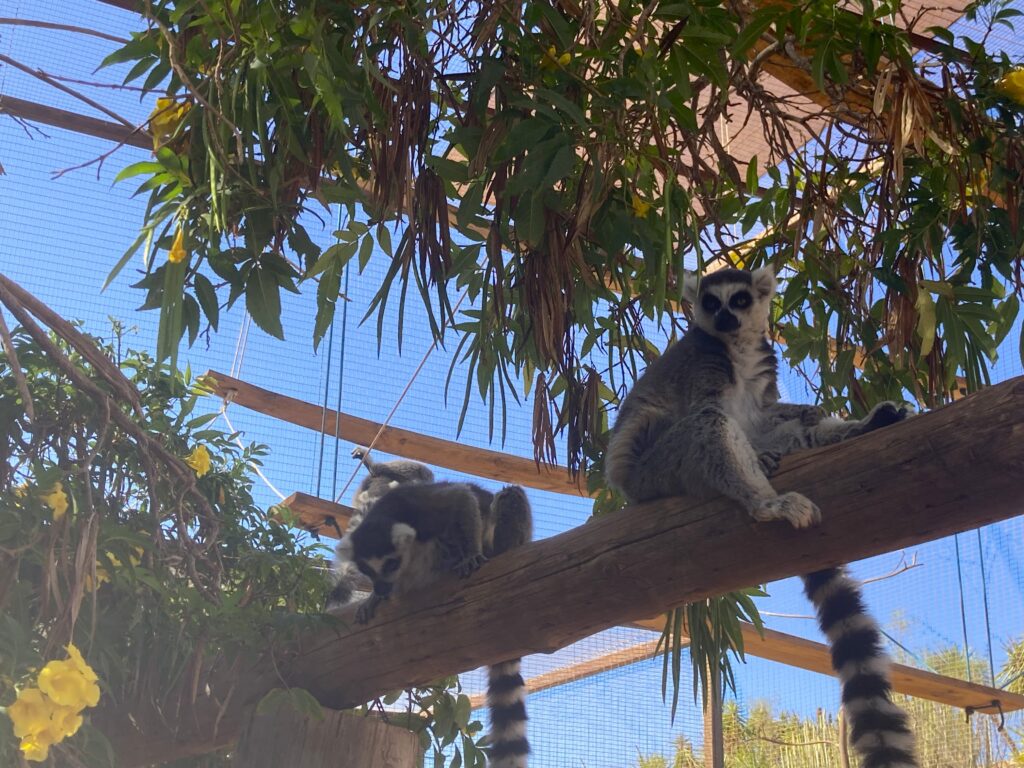
Primates – Lemurs, Marmosets, Squirrel monkeys, Titi-monkeys, and more
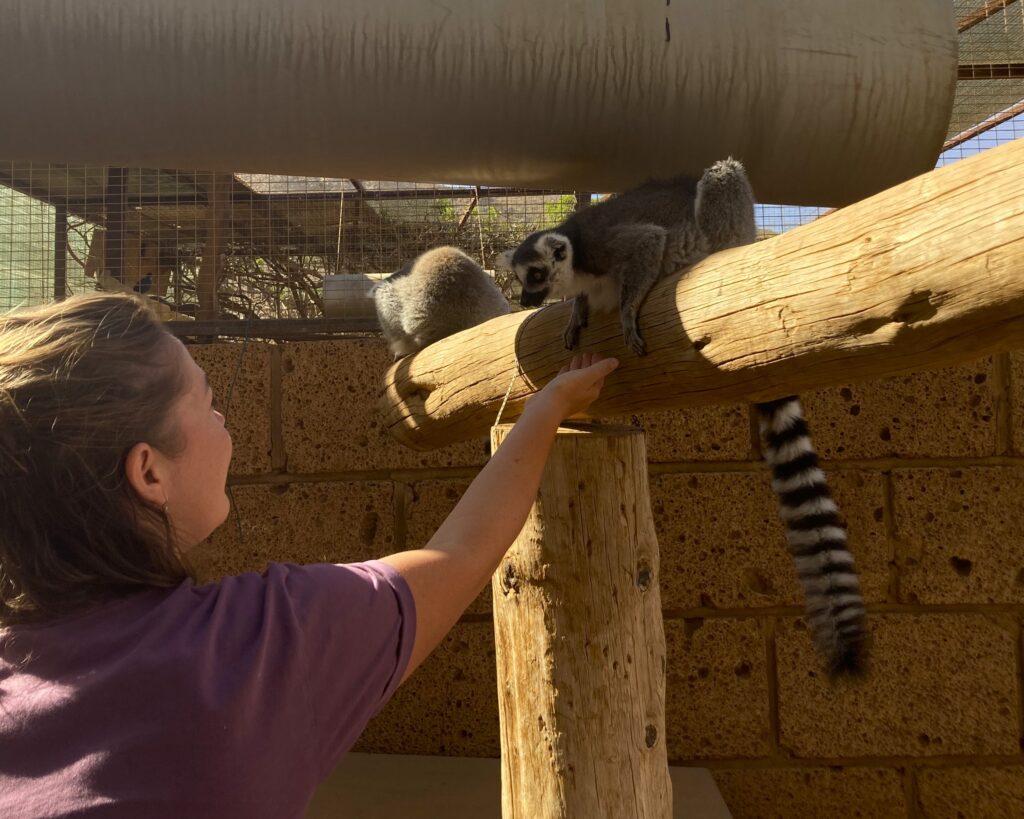
Some of them live in enclosures where visitors are allowed under supervision to enter, feed, and even (when the animal is comfortable) gently touch or have them hop on them.
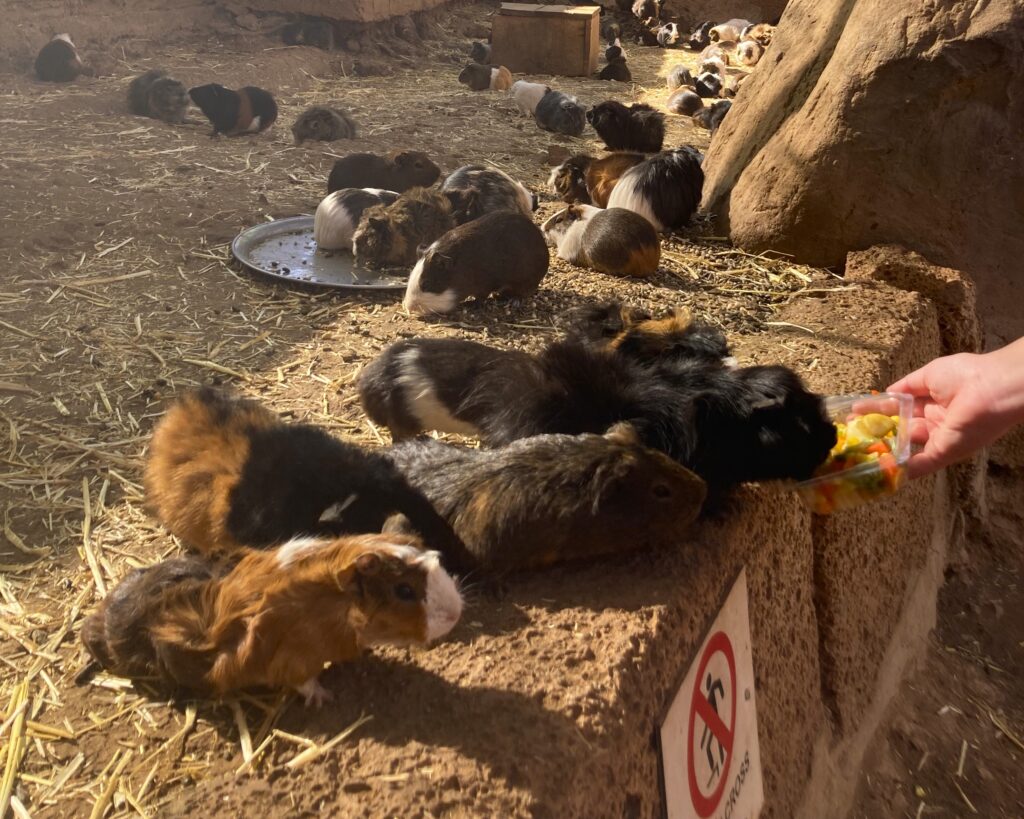
Guinea pigs – Hundreds of Little Furry Creatures
There is a large enclosure where hundreds of them roam. Feeding them (and other small friendly animals) is possible via food boxes sold at the entrance.
Exotic Birds
In the park, you will find parrots, macaws, cockatoos, toucans, and many other species that are accustomed to the presence of visitors.
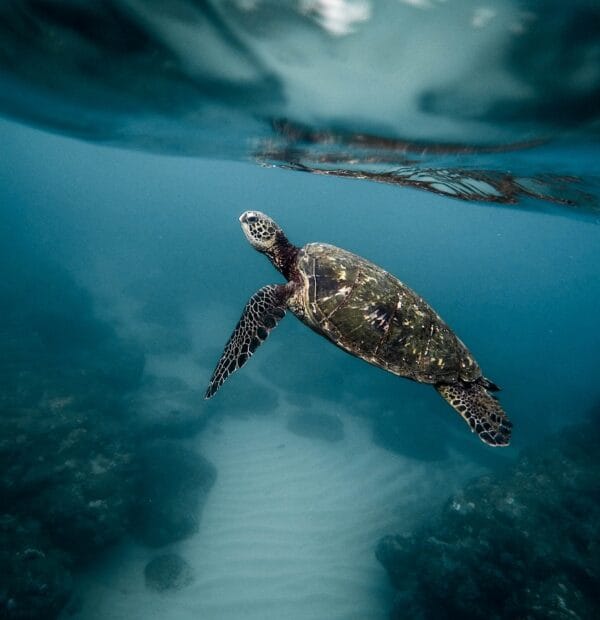
Reptiles – Iguanas, Tortoises, Crocodiles, Turtles, Snakes, and more
Though for safety reasons, contact with reptiles (especially crocodiles) is not allowed – you can observe them from a safe distance.
Because of this variety, you might wander from feeding a curious lemur to watching a macaw preen, or observing a tortoise slow-walking through the shade – all within a short stroll.
What Makes Monkey Park Special – and Different
Real contact and feeding (but responsibly)
Unlike many big zoos where animals are always at a distance, Monkey Park allows controlled interaction. Visitors can:
- enter certain enclosures (especially for friendly animals like guinea pigs or smaller primates),
- feed animals using food bought at the entrance (you cannot bring your own food for them),
- sometimes even get surprisingly close to them – such as a lemur climbing onto your shoulder or gently taking food from your hand.
This contact-zoo approach creates a far more personal, emotional and memorable experience than observing through bars and glass. For many visitors, especially families with children, this is the main highlight of the visit.
That said – good visitor behaviour is essential: always wait for the animal to approach you first; don’t chase them or try to grab them; and stick to the park-provided food. That ensures both your safety and the animals’.
A more ethical, conservation-oriented approach
The park is committed to conservation and breeding of endangered species, not to “animal shows.” Animals are encouraged to behave naturally, with minimal interference, which many visitors appreciate. This makes Monkey Park a more “soulful” alternative to large commercial zoos, especially if you value animal welfare and meaningful animal-observer encounters.
Manageable size – ideal for a short, relaxed trip
Because the park is small, you don’t need a full day. In fact:
- Most visitors complete their visit in about 1 to 2 hours.
- This makes it perfect as a half-day activity – you could combine a morning at Monkey Park with an afternoon at the beach or exploring nearby towns.
- There’s no rush, long queues (unless you come late in high season), or overwhelming crowds typical for larger attractions. Many visitors praise it for being calm, unpretentious and authentic.
Practical Information: Opening Hours & Prices
- Admission fee: Adults: €10, Children (5–12 years): €5, Children under 5 free.
- Animal food box: Usually sold at the entrance (€3 per box). This is what you use to feed guinea pigs, lemurs, monkeys, etc.
- Bring with you / Good to know: Clothes you don’t mind getting a little messy (some animals like to take food from hands); Patience & calm behavior – especially around animals.; Arrive early (right at opening) for best chance to interact: animals tend to be more active and hungry, and park is less crowded.
All prices shown are from November 2025
How to Get There: Reaching Monkey Park from Nearby Resorts
Monkey Park is located just a few minutes from the main tourist areas in southern Tenerife.
- By car or taxi – if you are staying in Playa de las Américas, Costa Adeje or Los Cristianos, it’s typically a 10–15 minute drive.
- By bus – there’s no direct public transport that drops you right at the entrance. You can take bus to Avenida San Francisco in Los Cristianos and then walk along TF-655 and TF-662 for 20 minutes to reach the Monkey Park.
Address: Camino Moreque, 38627 Los Cristianos / Arona, Tenerife.
GPS coordinates: approx. 28.0604° N, -16.6928° W.
Because of limited transport links, for many visitors, the easiest is to simply take a taxi (especially if travelling as a family).
Tips & Tricks for a Better Visit
- Get there early – Animals are usually more active in the morning, and enclosures are less crowded. That increases your chances of real interaction.
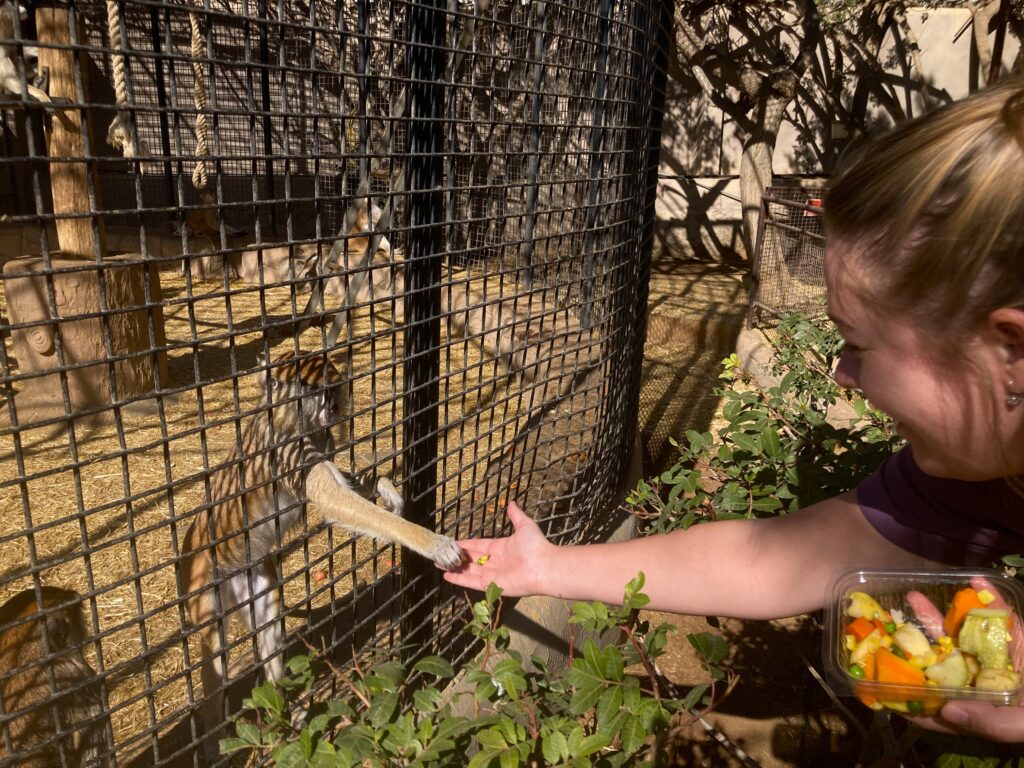
- Buy the food box – and choose wisely. If you plan to interact with lemurs or certain monkeys, buy a box big enough and with foods they like (corn seems to be a favourite). When we visited, animals would rummage in the box until they found the vegetable they liked best. (In other words: don’t give up if first few bits aren’t picked!)
- Respect the animals – Let them approach you, don’t chase them or force contact. Don’t feed anything other than the approved food from the entrance. That keeps the experience safe and respectful for everyone.
- Best for families, animal-lovers & gentle adventurers – If you have small children, this is perfect. For adults, it’s also a very relaxed and enjoyable half-day escape.
- Not a big-show zoo – Don’t come expecting dolphin shows, big cat performances, or flashy attractions. The charm here lies in natural animal behaviour, calm atmosphere, and authentic, close-up encounters.
Is Monkey Park Worth It – and Who Should Visit?
Yes – especially if:
- you appreciate a laid-back, more natural and less tourist-heavy zoo experience;
- you are travelling with children – feeding guinea pigs or lemurs is often a highlight for little ones;
- you want a short, affordable outing (just ~€10 pp, and 1–2 hours needed) as part of a larger Tenerife itinerary;
- you care about animal welfare and conservation, and prefer places that avoid commercial spectacles and focus on genuinely caring for wildlife.
It might be less interesting for those expecting large-scale exhibits, big mammals or high-adrenaline zoo experiences. But for what it offers – intimacy, charm, affordability – we believe Monkey Park is a gem worth visiting.
Frequently Asked Questions (FAQ)
How long does a visit to Monkey Park usually take?
Most visitors spend about 1 to 2 hours exploring the park. Some stay longer if they enjoy feeding and spending extra time with the animals.
What are the entrance fees?
Adults pay €10, children aged 5–12 pay €5, and kids under 5 may enter free (though policies on free entry sometimes vary).
Can I feed or touch the animals?
Yes – but only with the food boxes sold at the entrance, and only in enclosures designated for contact. Always wait for the animal to approach you.
What animals can I expect to see?
A variety: lemurs, squirrel monkeys, titis and other primates; guinea pigs; exotic birds (macaws, parrots, toucans); reptiles like iguanas, turtles, tortoises, and even crocodiles; among others.
When is the best time to visit?
Early morning (when the park opens) tends to be best – animals are more active and the park is less crowded. Avoid the midday rush for better interactions.
How do I get to Monkey Park from main resorts like Los Cristianos or Costa Adeje?
The easiest is by car or taxi – the park is about 10–15 minutes from the main tourist areas. There’s no direct bus to the entrance, though you might find a combination of bus + walking depending on where you stay.