Tenerife is known for its beaches, volcanic landscapes, and year-round sunshine—but to truly understand the island, you need to experience its festivals and public holidays. Deeply rooted in religion, history, and local identity, Tenerife’s celebrations are colorful, emotional, and often spectacular.
From one of the world’s largest carnivals to intimate village fiestas, religious processions, and Christmas traditions with a Canary Islands twist, festivals on Tenerife fill the calendar all year long. Whether you’re planning a trip around a major event or simply want to understand local life better, this guide will walk you through the most important holidays and festivals in Tenerife, month by month.
Why Festivals Are So Important in Tenerife
Festivals in Tenerife are more than tourist attractions. They are a key part of Canarian culture and community life. Many celebrations combine:
- Catholic traditions brought by the Spanish
- Pre-Hispanic Guanche heritage
- Latin American influences, especially from Cuba and Venezuela
- A strong sense of neighborhood and local pride
During fiestas, towns come alive with music, traditional dress, food stalls, fireworks, and street processions. Even small villages host events that feel authentic and deeply local.
January: New Beginnings and the Three Kings
New Year’s Day (Año Nuevo) – January 1
The year begins quietly on Tenerife. After lively New Year’s Eve celebrations, January 1 is a public holiday focused on family, rest, and long seaside walks.
Epiphany & Three Kings’ Day (Día de los Reyes Magos) – January 6
This is one of the most important holidays for families and children. Instead of Santa Claus, the Three Kings bring gifts.
- Colorful parades (Cabalgata de Reyes) take place across the island
- The largest celebrations happen in Santa Cruz de Tenerife
- Children leave shoes out overnight for presents
- Bakeries sell Roscón de Reyes, a traditional cake with hidden figurines
February & March: Carnival – Tenerife’s Biggest Event
The Carnival of Santa Cruz de Tenerife is without question the most important and internationally famous festival on the island. It usually takes place between February and early March, depending on the date of Easter, as Carnival always precedes Lent in the Christian calendar.
In most years, the main Carnival events fall 6–7 weeks before Easter Sunday, meaning dates typically range from early February to mid-March.
Carnival celebrations officially last several weeks, with a structured program that includes:
- Pre-Carnival competitions (January–February)
- The main Carnival week
- The Burial of the Sardine, marking the end
The heart of the celebration is Santa Cruz de Tenerife, although towns across the island celebrate their own versions.
Origins and Meaning of Carnival
Carnival has deep roots in Tenerife’s history, blending European traditions with influences from Latin America, especially Cuba and Venezuela, due to historic migration ties. Originally a time of social freedom, Carnival allowed people to disguise themselves, mock authority, and temporarily escape everyday rules.
Even during periods of political repression in Spain, Carnival survived—sometimes underground—making it a symbol of cultural resilience.
Carnival Queen Gala
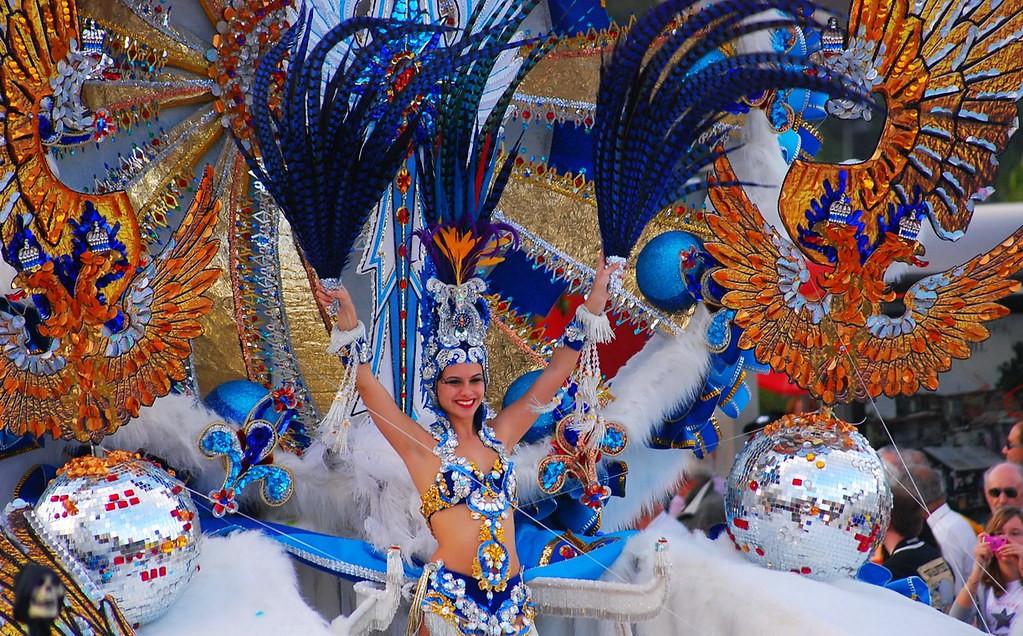
One of the most spectacular highlights is the Gala Election of the Carnival Queen, usually held one to two weeks before the main street parades. Contestants wear enormous, highly engineered costumes that can weigh over 100 kilograms and cost tens of thousands of euros.
Winning the title of Carnival Queen is a major honor, and the event is broadcast live across the Canary Islands.
Street Parades and Night Carnival
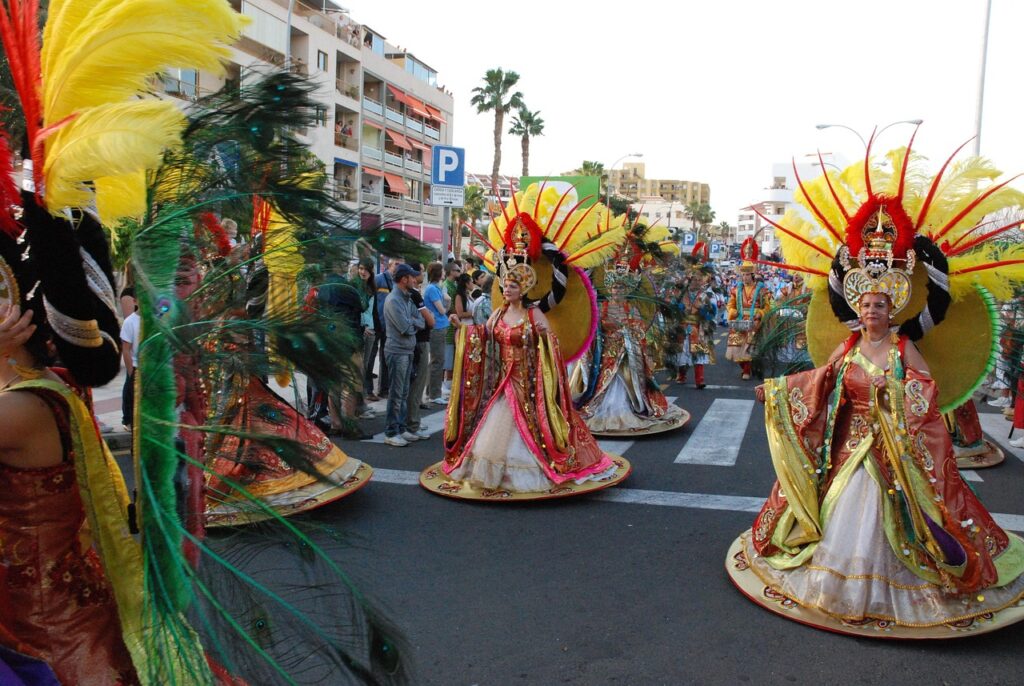
The main street parade (Cabalgata Anunciadora) traditionally opens the most intense days of Carnival. What follows is:
- Daytime family-friendly parades
- Night Carnival (Carnaval de Noche), when thousands of people in costumes fill the streets until morning
- Live music, salsa, reggaeton, and electronic stages throughout the city
Unlike many European carnivals, Tenerife’s Carnival is open and participatory—visitors are encouraged to dress up and join in.
Burial of the Sardine
Carnival officially ends with the Burial of the Sardine, usually held on Ash Wednesday. A giant sardine effigy is carried through the city in a satirical funeral procession, symbolizing the end of excess and the beginning of Lent.
March / April: Easter and Semana Santa
Semana Santa, or Holy Week, is one of the most important religious periods in Tenerife. The dates change every year, as Easter follows the lunar calendar, but it usually falls between late March and mid-April.
Holy Week runs from Palm Sunday to Easter Sunday, with Good Friday being a public holiday across Spain.
Where Semana Santa Is Most Impressive
The most atmospheric Easter celebrations take place in San Cristóbal de La Laguna, whose historic streets provide a dramatic backdrop for candlelit processions.
What Happens During Semana Santa
During Holy Week, brotherhoods (cofradías) carry religious statues through the streets in solemn processions. These events often take place at night and are accompanied by:
- Slow drum rhythms
- Sacred music
- Participants dressed in traditional robes and hoods
The mood is deeply emotional and respectful, offering a powerful contrast to Tenerife’s more festive celebrations like Carnival.
Semana Santa is particularly important for locals, and many residents attend multiple processions throughout the week.

May: Canary Islands Day and Local Traditions
Día de Canarias – May 30
This public holiday celebrates Canarian identity, culture, and autonomy.
Across Tenerife, you’ll see:
- People wearing traditional Canarian clothing
- Folk music (isa, folías)
- Wrestling matches (lucha canaria)
- Traditional food like papas arrugadas and mojo
Museums often offer free entry, and schools organize cultural events.
June: Bonfires and the Start of Summer
San Juan Night – June 23
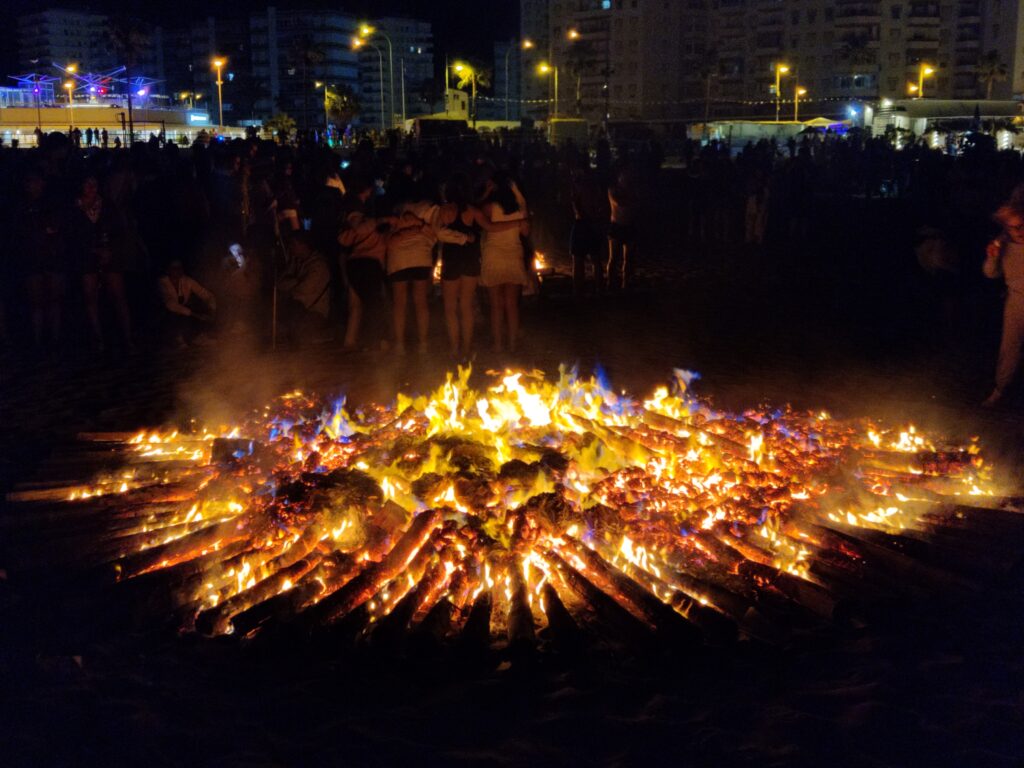
San Juan marks the summer solstice and is one of the most magical nights of the year.
Traditions include:
- Bonfires on beaches
- Fireworks
- Midnight swims believed to bring good luck
- Burning symbolic objects representing bad memories
Popular beaches for San Juan include those around Puerto de la Cruz.
July: Pilgrimages and Rural Festivals
Romerías (Traditional Pilgrimages)
Summer is the season of romerías, festive pilgrimages honoring local patron saints.
Participants:
- Wear traditional costumes
- Travel with decorated carts
- Share food, wine, and music
One of the most famous is the Romería of San Benito Abad in La Laguna.
These events are joyful, social, and deeply rooted in Tenerife’s agricultural traditions.
August: Feast of the Virgin of Candelaria
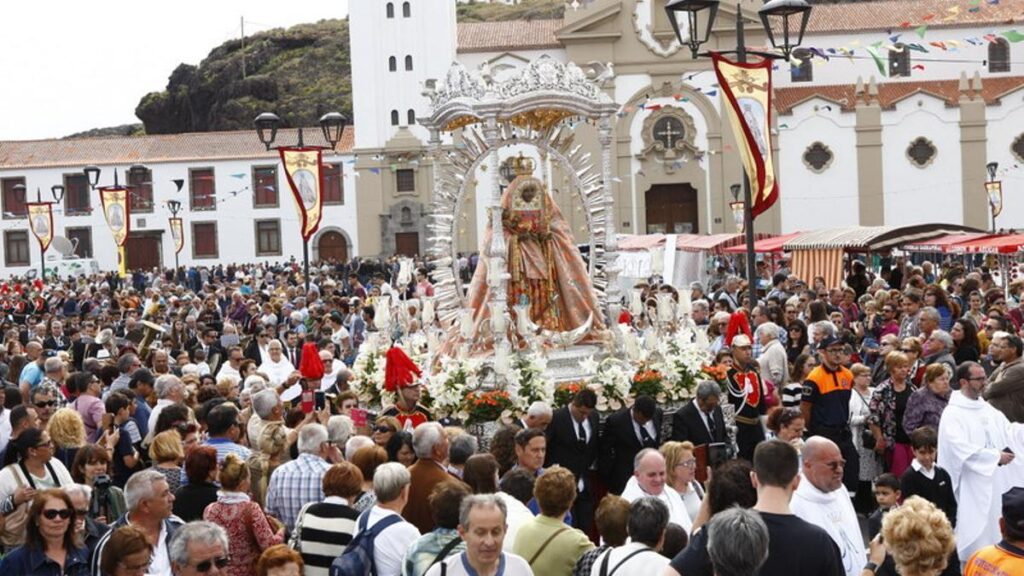
The Feast of the Virgin of Candelaria is one of the most important religious events on Tenerife and across the Canary Islands. Celebrated every year on August 14 and 15, with the main feast day on August 15, it honors the patron saint of the Canary Islands and attracts thousands of pilgrims from all parts of the island.
During these days, the town of Candelaria becomes the spiritual center of Tenerife. Many pilgrims walk long distances—some barefoot—as an act of devotion. The celebrations combine solemn religious ceremonies at the Basilica of Candelaria with cultural events, historical reenactments recalling the Guanche people’s encounter with the Virgin, concerts, and fireworks. August 15 is a public holiday in Spain, and the atmosphere is both deeply spiritual and festive.
Although August is the most visible and widely attended celebration, the Virgin of Candelaria is also traditionally associated with February 2, known as Candlemas. This earlier date is considered the more historical and religious feast day, linked to the original discovery of the Virgin’s statue by the Guanches. Today, February 2 is marked by quieter church services and processions, while the large-scale pilgrimages and public celebrations take place in August.
September: Harvest Celebrations
September brings smaller village fiestas celebrating the harvest, wine, and local produce—especially in northern Tenerife.
These festivals are ideal for visitors looking for authentic, less touristy experiences.
October: Cultural and Religious Festivities
Fiesta of Nuestra Señora del Rosario
Celebrated in several towns, this religious festival includes:
- Processions
- Folk dancing
- Local fairs
October is also a popular month for cultural events, concerts, and exhibitions, thanks to pleasant weather and fewer crowds.
November: All Saints’ Day and Wine Traditions
All Saints’ Day (Día de Todos los Santos) – November 1
Families remember deceased relatives, visit cemeteries, and share traditional foods like roasted chestnuts.
In some areas, this blends with wine-tasting traditions, marking the arrival of the new wine season.
December: Christmas and New Year in Tenerife
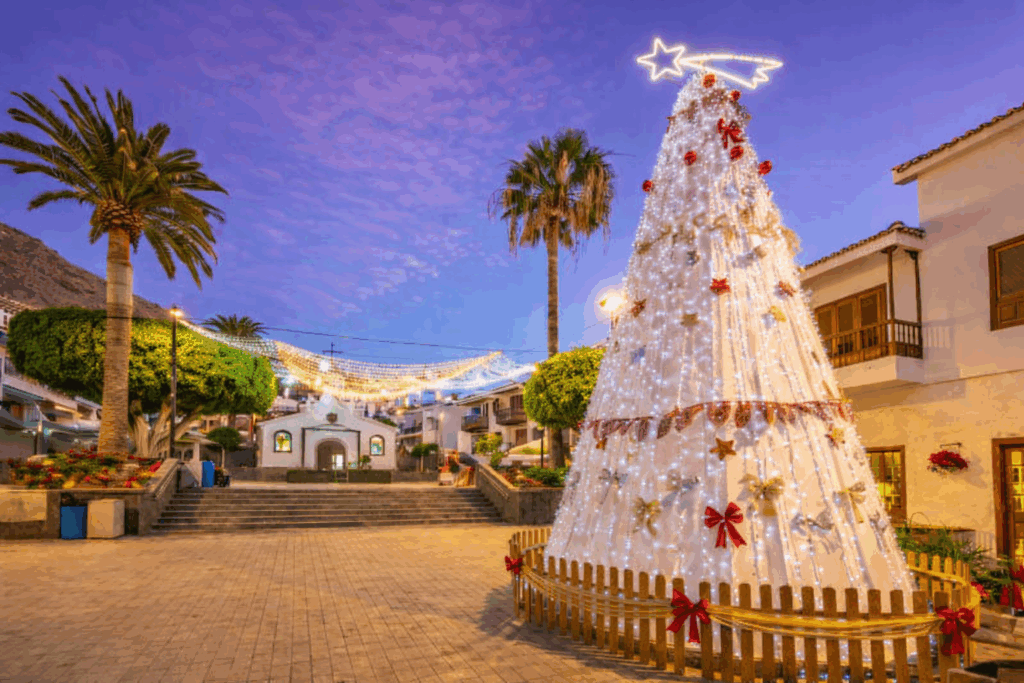
Christmas in Tenerife is celebrated from early December through January 6, making it one of the longest festive periods of the year.
Despite warm temperatures, Christmas traditions remain deeply rooted in Spanish culture.
Christmas Traditions
One of the most important elements is the nativity scene (belén). Many towns create elaborate displays featuring local landscapes, traditional architecture, and moving figures.
Cities like Santa Cruz de Tenerife and La Laguna are especially known for their Christmas decorations and light displays.
Christmas Eve and Christmas Day
Christmas Eve (Nochebuena) is traditionally spent with family, followed by a late dinner. Christmas Day is quieter, focused on rest and family gatherings rather than large public events.
New Year and Three Kings
New Year’s Eve (Nochevieja) is celebrated with fireworks and street parties. At midnight, people eat 12 grapes, one for each bell chime, to bring good luck.
The Christmas season officially ends on January 6 – Three Kings’ Day, which is when children traditionally receive gifts.
Planning Your Trip Around Tenerife Festivals
If you want to experience Tenerife at its most vibrant:
- Carnival (Feb/March) is ideal for party lovers
- Easter offers cultural depth and history
- August is perfect for religious and traditional events
- Christmas & New Year combine celebration with sunshine
Book accommodation early during major festivals, especially Carnival and August pilgrimages.
Frequently Asked Questions (FAQ)
What is the biggest festival in Tenerife?
The Carnival of Santa Cruz de Tenerife is the largest and most famous festival on the island.
Are festivals in Tenerife religious?
Many are religious (Easter, Virgin of Candelaria), but others like Carnival and San Juan are cultural and social.
Is Tenerife busy during festivals?
Yes, especially during Carnival and August pilgrimages. Accommodation prices may rise.
Can tourists join local festivals?
Absolutely. Most festivals are open, welcoming, and designed for community participation.
Is Christmas a good time to visit Tenerife?
Yes—warm weather, festive atmosphere, and fewer crowds than summer make it very popular.