Located on the lush northwestern coast of Tenerife, Icod de los Vinos is one of the island’s most charming towns – an authentic blend of history, volcanic landscapes, agriculture, and deep-rooted Canary Island culture. Far from the bustling resorts of the south, Icod offers fresh mountain air, cooler temperatures, centuries-old traditions, and some of Tenerife’s most iconic landmarks, including the legendary Drago Milenario (the Ancient Dragon Tree).
Whether you’re planning a day trip, exploring Tenerife by car, or searching for a destination where local life still thrives, this guide takes you through everything you need to know about Icod de los Vinos-its history, best things to see, where to eat, where to park, and nearby natural attractions.
A Brief History of Icod de los Vinos
Icod de los Vinos has a history as rich as its volcanic soil. The first settlements date back to the Guanches, the island’s original inhabitants, who occupied the fertile valley surrounded by volcanic mountains.
After the Spanish conquest in the late 15th century, the area quickly became known for:
- Agriculture, thanks to its fertile terrain and mild climate
- Wine production, especially the Malvasía wines that gained fame throughout Europe
- Sugar cane, cultivated in the 16th century when Icod served as a base for sugar mills
- Trade, as coastal access allowed products to be exported abroad
In 1798, a large portion of the town was destroyed by fire, affecting both homes and historical buildings. However, many structures were rebuilt, and today the town still preserves its traditional Canarian architectural charm.
Today, Icod de los Vinos remains deeply connected to agriculture-especially vineyards, banana plantations, and orchards-and is one of the greenest municipalities on the island.
Top Things to See in Icod de los Vinos
The Ancient Dragon Tree (Drago Milenario)
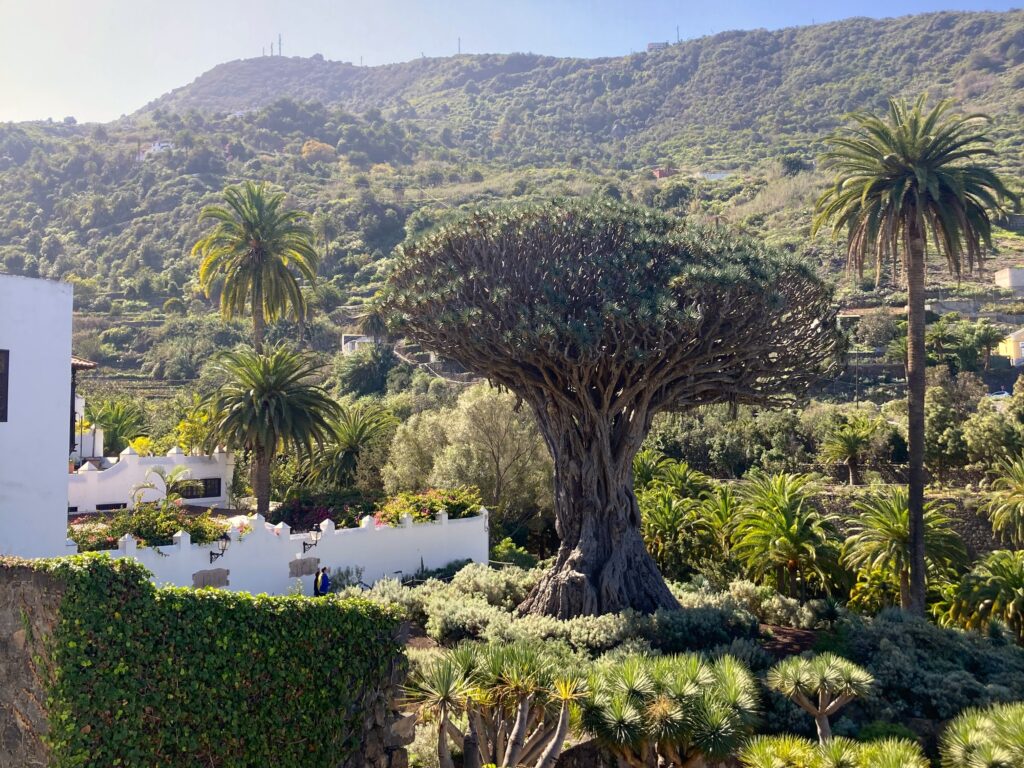
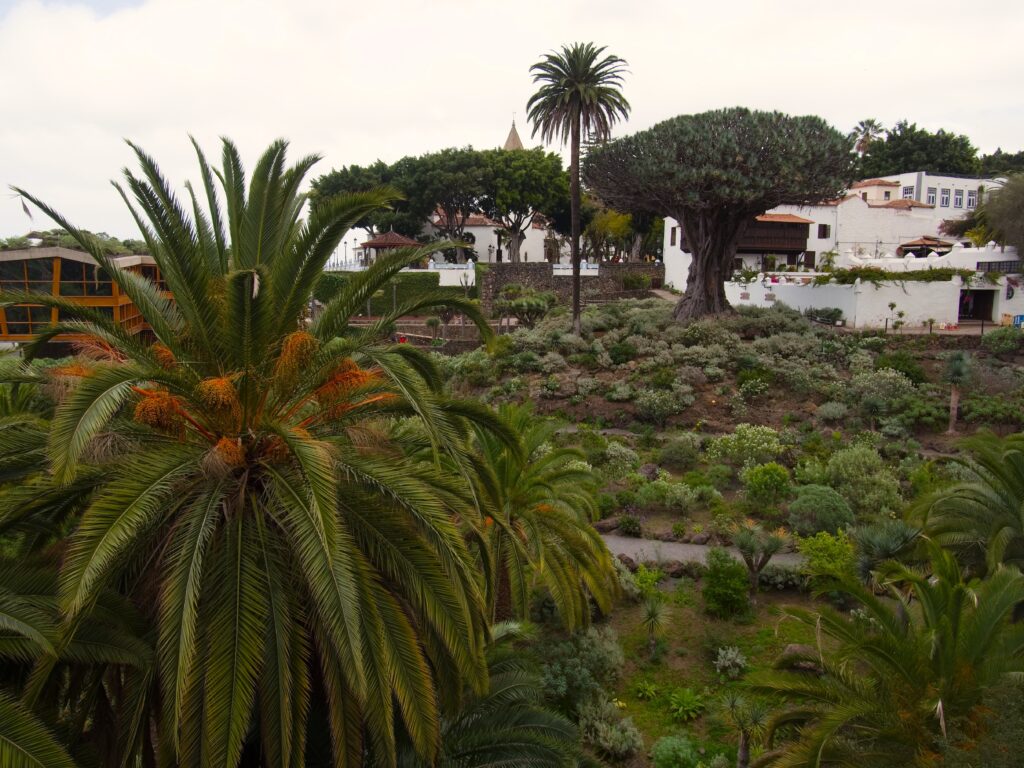
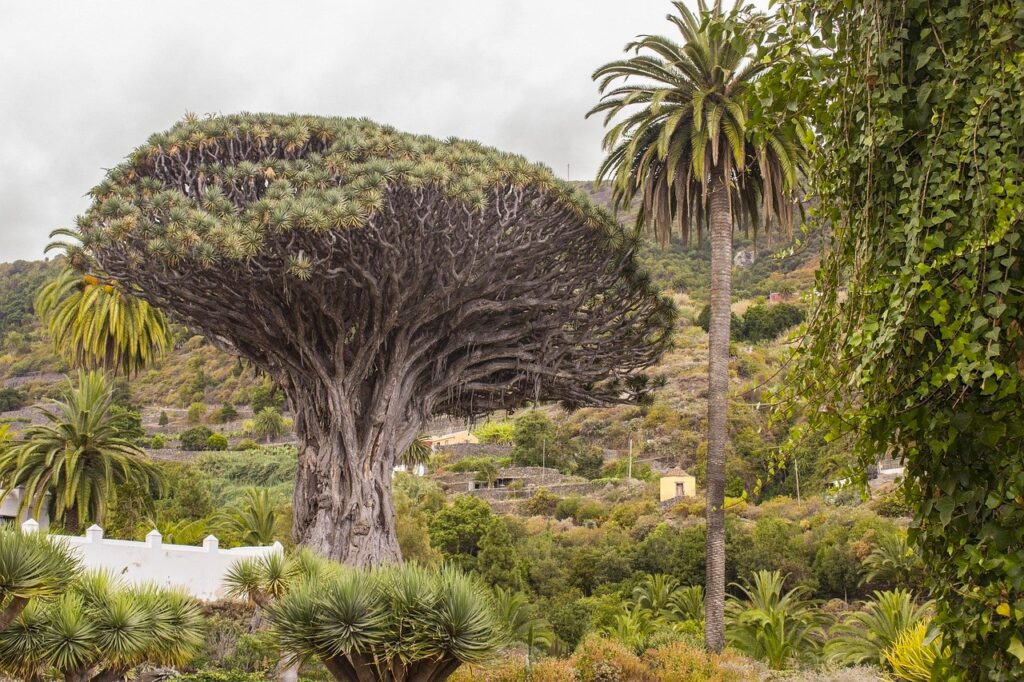
The Drago Milenario, often referred to as the “Thousand-Year-Old Dragon Tree,” is arguably Tenerife’s most iconic natural monument. Although it looks like an ancient tree with a thick trunk and a crown of branching limbs, from a botanical standpoint, it is not a tree at all, but a giant perennial herb. In fact, it is considered one of the oldest herbs in the world. Its closest relatives grow on the African coastline and on the remote island of Socotra, sharing similar adaptations to arid, volcanic environments.
Recent studies suggest the tree is likely between 400–800 years old, and it remains one of the oldest and largest living specimens of its species-Dracaena draco, the Canary Islands dragon tree.
With an impressive height of around 20 meters, the Drago Milenario continues to grow slowly but steadily, adding new branches only after it blooms. Due to its exceptional age, its massive structure has required reinforcement with internal iron and concrete supports, ensuring that this natural monument remains stable and protected for future generations.
Where to see it
You have two options:
- View it for FREE from the church square
One of the best viewpoints is from the square in front of Iglesia Mayor de San Marcos. From this elevated terrace, you’ll get stunning panoramic views of:
- The Dragon Tree from above
- The surrounding botanical park
- The green valley and mountains
This is completely free and perfect for photos.
- Visit the Drago Park
To get up close, you can enter the botanical garden Parque del Drago, which surrounds the tree.
- Entrance fee: €5 (adults), €2.50 (children)
- Opening hours: 9:00–18:00
Inside the park, you can stroll through:
- Native Canary Island flora
- Educational displays
- Shaded walking paths
- Viewing platforms right next to the tree
Visiting takes around 30–45 minutes. Near the park, you’ll find the lovely Casa del Drago, a small restaurant/café where you can try local dishes or enjoy a coffee with a view of the Dragon Tree.
Iglesia Mayor de San Marcos
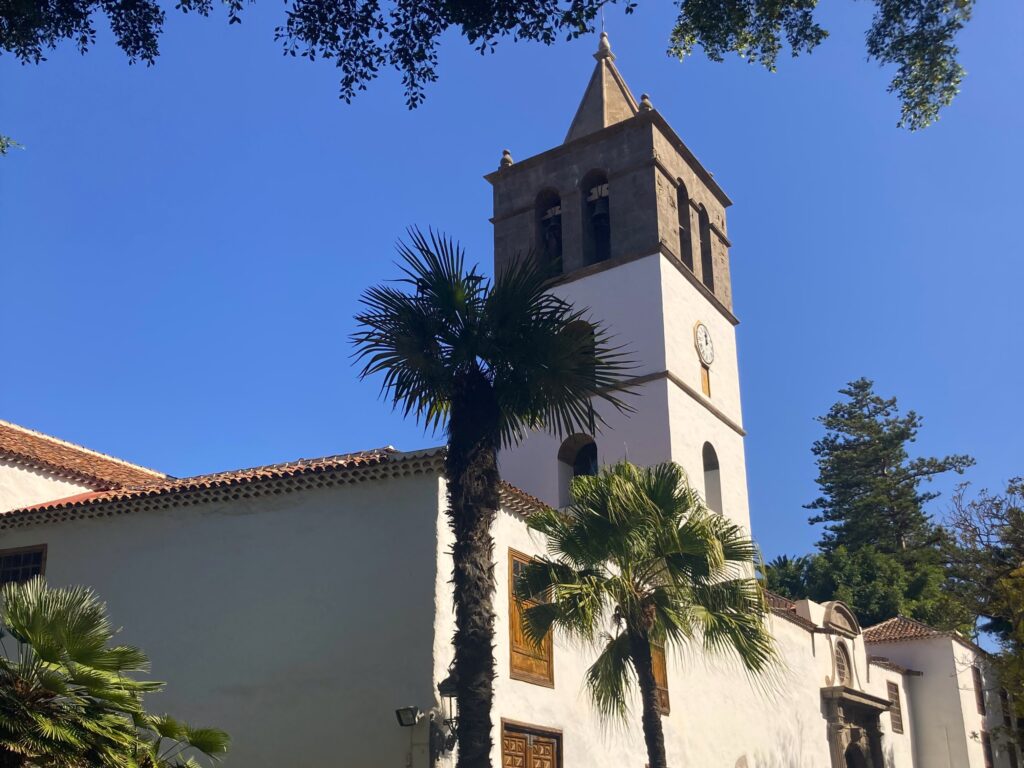
Located right next to the Dragon Tree viewpoint, this church is one of the most important religious monuments in northern Tenerife.
Why It’s Worth Visiting
- Beautiful white façade with volcanic stone accents
- Peaceful square overlooking the valley
- Richly decorated interior with altarpieces and religious art
- Excellent view of the Dragon Tree directly from its forecourt
It’s a highlight of the old town and a great starting point for exploring the surrounding streets.
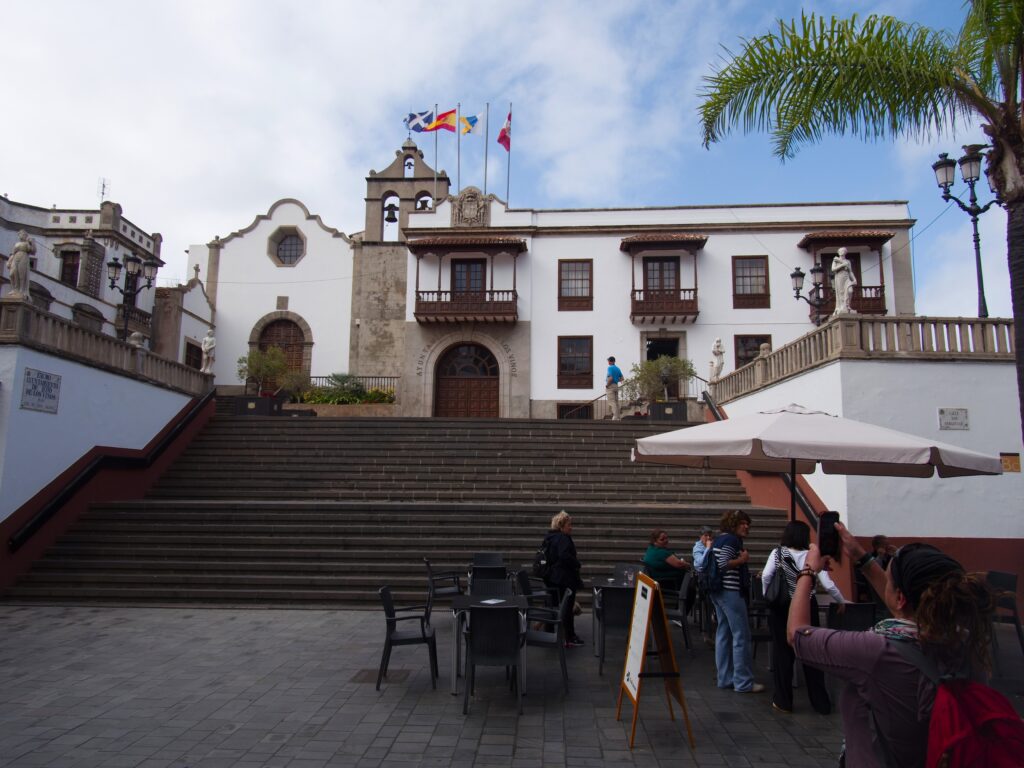
Plaza Andrés de Lorenzo Cáceres
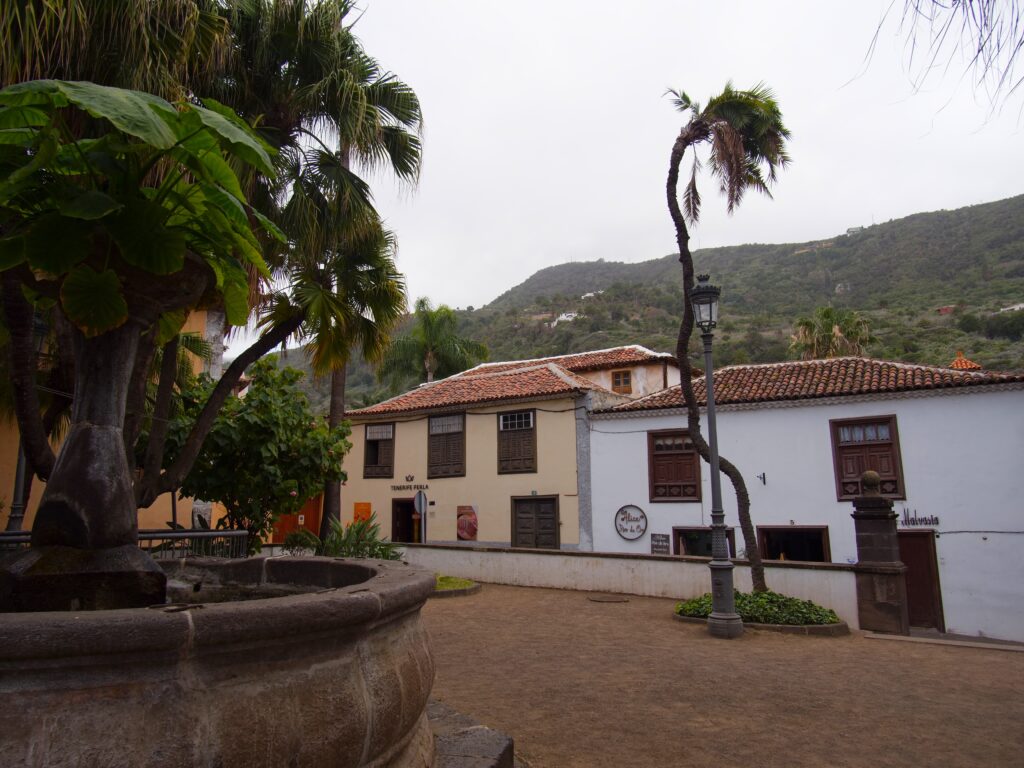
This charming central square is the heart of Icod’s historic old town. It is surrounded by traditional Canarian houses, some dating back centuries, featuring:
- Wooden balconies
- Stone-carved doorways
- Elegant facades
- Shaded benches under massive laurel trees
It’s the perfect place to sit, people-watch, and soak up the quiet northern Tenerife atmosphere.
Around the plaza, you’ll find Town Hall buildings, historic mansions, as well as cafés and small shops.
Mariposario del Drago: The Butterfly Garden
Set very close to the Dragon Tree, the Mariposario del Drago is a peaceful tropical garden filled with free-flying butterflies from around the world.
- Entrance fee: €10 (adults), €7 (children)
- Opening hours: 10:00–18:30
What to Expect
Inside the glass dome, you’ll find:
- Dozens of colorful butterfly species
- Tropical flowers and plants
- A warm, humid environment
- Opportunities to see butterflies feeding
It’s a great stop for families, couples, and nature lovers.

Cueva del Viento: One of the World’s Largest Volcanic Tube Systems
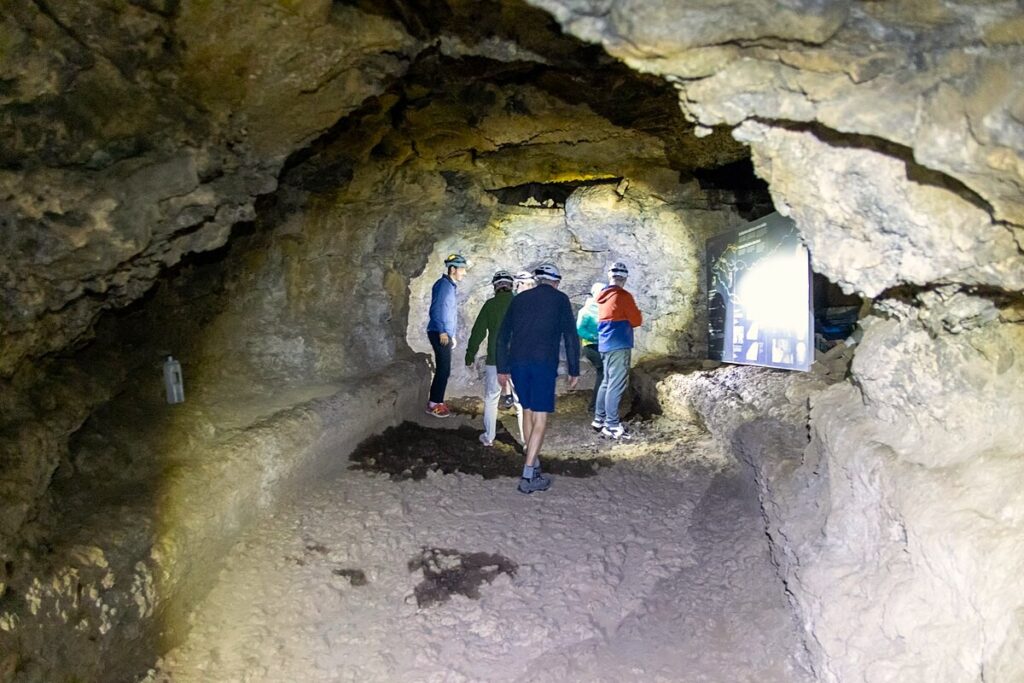
Just a short drive above the town lies Cueva del Viento, a massive volcanic tunnel system formed by lava flows from Pico Viejo, near Mount Teide.
Why Visit Cueva del Viento?
It is:
- One of the longest lava tubes in Europe
- A rare geological formation with multiple levels
- An educational and adventurous experience
About the Tour
The cave can only be visited on a guided tour, which lasts about 2 hours.
The experience includes:
- A briefing at the visitor center
- A transfer by minibus to the cave entrance
- Walking through underground passages
- Learning about geology, volcanic eruptions, and natural history
- Observing unique underground fauna
Important: The visit is not suitable for people with mobility issues, and closed-toe shoes are mandatory.
This is a great activity if you enjoy nature and a little bit of adventure.
Food & Restaurants in Icod de los Vinos
Icod offers great dining options—mostly small, family-run eateries with authentic Canarian flavor.
Casa del Drago
Located near the Drago Park, this charming restaurant is ideal for a light lunch, local wines, fresh juices or traditional tapas — all enjoyed with lovely views of the Dragon Tree.
El Gaucho Icod (Perfect for a Snack)
If you’re looking for something quick and delicious, head to El Gaucho Icod, known for their homemade empanadas. They offer several fillings, are affordable, and perfect if you’re exploring on foot and need a small bite.
Other Great Places to Eat
In the town center and around the plaza, you’ll also find:
- Local guachinches
- Traditional taverns
- Cafés serving pastries and coffee
- Restaurants featuring slow-cooked meats, fresh fish, and Canarian classics
The prices in Icod are usually more budget-friendly compared to the south.

Getting to Icod de los Vinos & Where to Park
Reaching Icod de los Vinos is straightforward whether you’re driving from the south or exploring the northern coast. The town sits just off the TF-5 highway, making it easily accessible from Puerto de la Cruz (about 25 minutes), Garachico (10 minutes), or even from the southern resorts via the TF-1 and then crossing the island through the mountains. The drive itself is scenic, passing through lush banana plantations, deep valleys, and small Canarian towns.
Once you arrive in Icod, the most convenient place to leave your car is Parking del Drago (€1,80/hour), which is located only a short walk from the Dragon Tree, the church square, and the historic center. Parking elsewhere in the narrow, uphill streets can be challenging, so this dedicated lot is the easiest and quickest option for visitors. From there, you can comfortably explore all the main attractions on foot, including the Drago Park, Plaza Andrés de Lorenzo Cáceres, and the surrounding cafés and restaurants.
Weather & Climate in Icod de los Vinos
Icod de los Vinos enjoys a mild, refreshing climate that sets it apart from the warmer and drier south of Tenerife. Thanks to its location on the lush northern slopes of the island, the town benefits from clean, crisp air and abundant greenery throughout the year.
Temperatures are generally pleasant, with cooler evenings and a light humidity that keeps the landscape vibrant and fertile. This gentle climate is ideal for agriculture and is one of the reasons why the area became historically known for its vineyards and fertile farmlands. Visitors often appreciate that Icod offers a comfortable balance: warm enough for sightseeing yet cool enough to explore without the intense heat found in some parts of the island.
Is There a Beach in Icod de los Vinos?
Although Icod itself doesn’t have a beach within the town center, you won’t have to travel far to enjoy the ocean. Just a few minutes’ drive away lies Playa de San Marcos, a peaceful black-sand bay sheltered by volcanic cliffs. The atmosphere here is calm and relaxed, with gentle waves, fewer crowds than the popular southern beaches, and a handful of restaurants and cafés along the small promenade. It’s the perfect spot for a quiet swim, a leisurely afternoon by the sea, or a scenic coffee with ocean views after exploring the old town.
What Else to Do Nearby
If you have extra time, consider these activities:
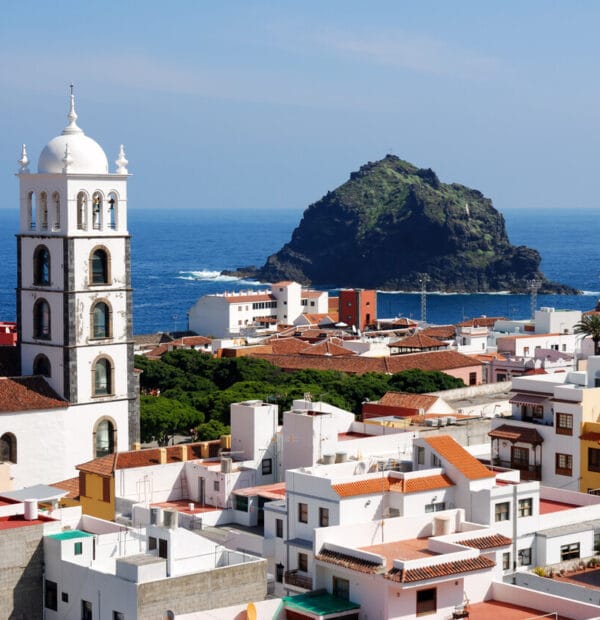
- Visit Garachico, one of Tenerife’s prettiest coastal villages
- Drive to Buenavista del Norte for stunning scenery
- Tour local wineries producing Icod’s traditional varieties
The northern region is perfect for slow travel and discovering authentic Canarian life.
Why Icod de los Vinos Belongs on Your Tenerife Itinerary
Icod de los Vinos is a place where nature, culture, and history blend seamlessly. From the breathtaking Drago Milenario to the volcanic depths of Cueva del Viento, from peaceful plazas to butterfly gardens, this town offers an authentic glimpse into Tenerife’s past and present.
It’s green, quiet, atmospheric, and ideal for travelers who want to escape the mass-tourism hotspots and experience the real Tenerife.
Whether you come for a few hours or stay longer-Icod de los Vinos will charm you with its character, fresh air, and timeless beauty.
All prices are from November 2025.
Frequently Asked Questions (FAQ)
Is Icod de los Vinos worth visiting?
Absolutely. It’s one of the most historic and authentic towns on the island, home to the famous Dragon Tree, beautiful squares, and nearby natural wonders.
How long do you need in Icod de los Vinos?
A half-day is enough to see the main sights, but a full day allows you to explore Cueva del Viento, visit the butterfly garden, and enjoy lunch in town.
Is parking in Icod de los Vinos easy?
Yes, especially at Parking del Drago, the closest and most convenient spot.
Can you see the Dragon Tree for free?
Yes-there is a great free viewpoint next to the church. Entering the botanical garden is optional and paid.
Is Icod de los Vinos good for families?
Yes-kids love the Dragon Tree, the nearby Mariposario, and the volcanic caves.
What is the weather like in Icod de los Vinos?
Cooler and greener than the south, with fresh air and mild temperatures.
Is there a beach in Icod de los Vinos?
Not directly in the town, but Playa de San Marcos is just a few minutes away.