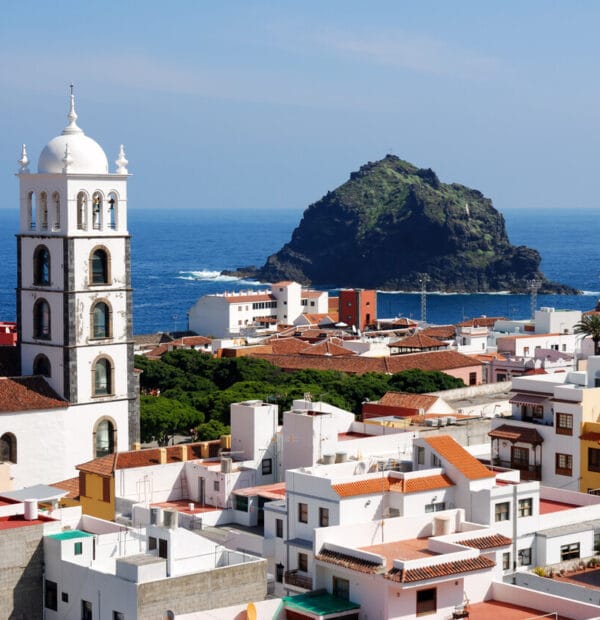
Investing in foreign real estate has become one of the strongest trends among European investors in recent years. There are several reasons for this: rising property prices at home, the desire to diversify assets geographically, the opportunity to combine investment with holiday, and the increasingly popular idea of having a “second home in a warm climate” that also generates rental income. Moreover, high inflation has further strengthened the perception of real estate as a safe store of value.
Today, European investors most often look toward destinations such as Dubai, mainland Spain, Cyprus, Bali, Croatia, and of course the Canary Islands – with Tenerife standing out as one of the top choices. While some locations attract with low taxes or the promise of quick capital appreciation, others offer what many investors value more: stability, legal certainty, and long-term demand.
In this article, we compare Tenerife with several popular real estate destinations, with a particular focus on Dubai. Dubai has become a global superstar in the world of real estate – glamorous, fast-growing, and promoted as an unbeatable investment opportunity. But is it truly as promising as it seems? And does it really deliver what its glossy marketing campaigns promise?
Why Europeans Invest in Foreign Real Estate
European investors are increasingly shifting their focus toward foreign property markets. The motivation is usually a combination of financial and lifestyle factors. A significant number of buyers are looking for a second home in an attractive location – a place to spend holidays while also benefiting from long-term appreciation. Others view real estate abroad primarily as an investment opportunity, purchasing properties specifically for rental income and portfolio diversification.
Foreign markets are also appealing because, in many popular destinations, property can still be purchased at more accessible prices than in many major European cities. Additionally, these destinations often offer higher rental yields, whether thanks to year-round tourism or faster growth in property values.
For many, buying a property abroad represents the ideal mix of lifestyle upgrade, asset diversification, and attractive financial returns. That is why more and more European investors are looking for ways to combine investment with a destination that offers more than just a marketing story, but real long-term potential.
Dubai: The Glittering Market That Can Easily Fool Investors
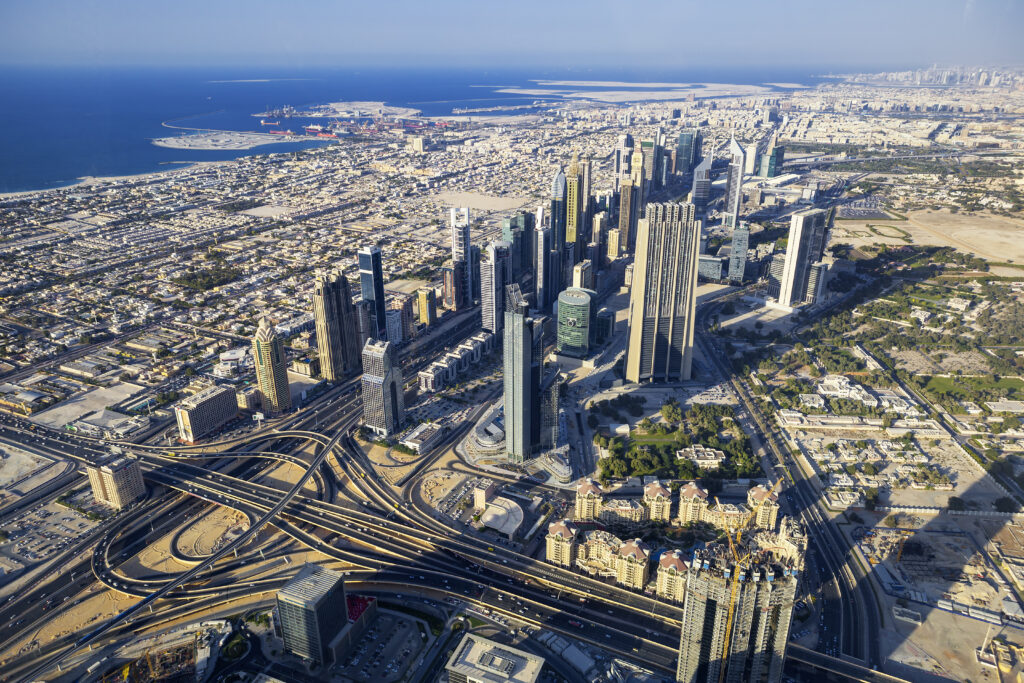
Dubai has recently become one of the most talked-about destinations among European property investors. Social media often portrays it as a real-estate paradise – a tax-free haven where rental income soars, skyscrapers rise overnight, and opportunities seem limitless. It is a city that projects confidence, ambition, and speed, offering exactly what many investors are drawn to: quick results and the feeling of being part of something big.
But like every fast-growing market, Dubai has another side – one that is often overshadowed by its polished marketing.
What Dubai Promises (and Why It Sounds So Good)
Dubai initially appears to be an investor’s dream. It promotes a zero-tax environment, which seems ideal for generating clean profit without administrative burdens. Massive construction projects give buyers the impression that they are entering a booming market where the value of new developments will continually rise. Low initial deposits and flexible payment plans make purchases seem accessible, even for those who might not afford similar investments elsewhere.
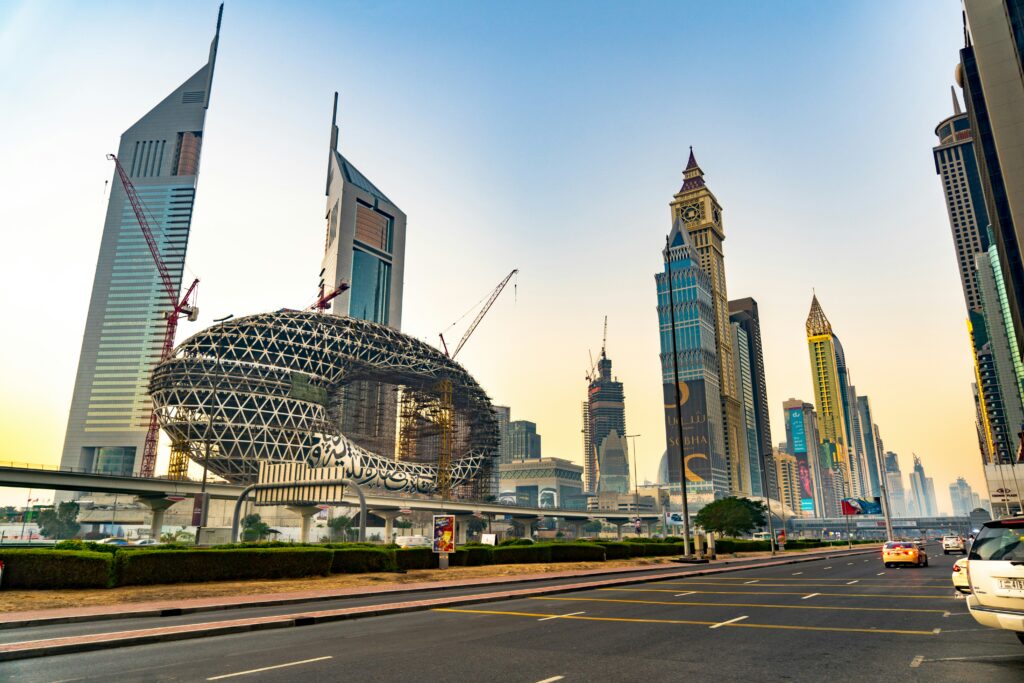
The city’s image also plays a huge role. Dubai invests heavily in public relations – from iconic architecture to luxury resorts and futuristic infrastructure – reinforcing its reputation as a global center of modernity. Influencers and online marketers amplify this message, presenting Dubai as a place where “property prices only go up.”
The result is a market that looks nearly perfect on paper. Yet this perfection is often rooted more in expectations and branding than in real, long-term demand – and that’s a crucial distinction every investor should consider.
A High Risk of an Overheated Market
Although Dubai may seem like a real-estate paradise, many analysts have been warning for years that the market shows signs of overheating. An overheated market is one where prices grow faster than real demand or local incomes – and such growth is never sustainable. Once demand slows, whether due to economic shifts, investor sentiment, or excessive supply, the market typically faces a sharp correction. Prices drop, sales freeze, and those who bought during peaks often face losses.
Dubai has already experienced major corrections. After 2009, during the global financial crisis, property prices fell dramatically – often by tens of percent. The market weakened again between 2014 and 2016 following the drop in oil prices and regional economic slowdown. In both cases, a period of rapid growth was followed by a sudden decline, and many investors had to wait years before their properties regained value.
A Market Dominated by Off-Plan Sales
One of Dubai’s biggest specificities is its extremely high share of off-plan transactions – sales of properties that do not yet exist. Investors buy units “on paper” and wait years for completion. While it allows for lower entry costs and staged payments, it also brings substantial risks. During construction, the property generates no income, and investors depend entirely on the market remaining favorable several years into the future.
Another issue is the resale of completed units. By the time a project is finished, it enters a market saturated with brand-new developments backed by aggressive marketing and modern amenities. Completed units therefore compete with fresh pre-sales – and often lose. This makes the resale market considerably weaker and less predictable than in destinations where finished properties have strong intrinsic value.
Life in Dubai Isn’t for Everyone
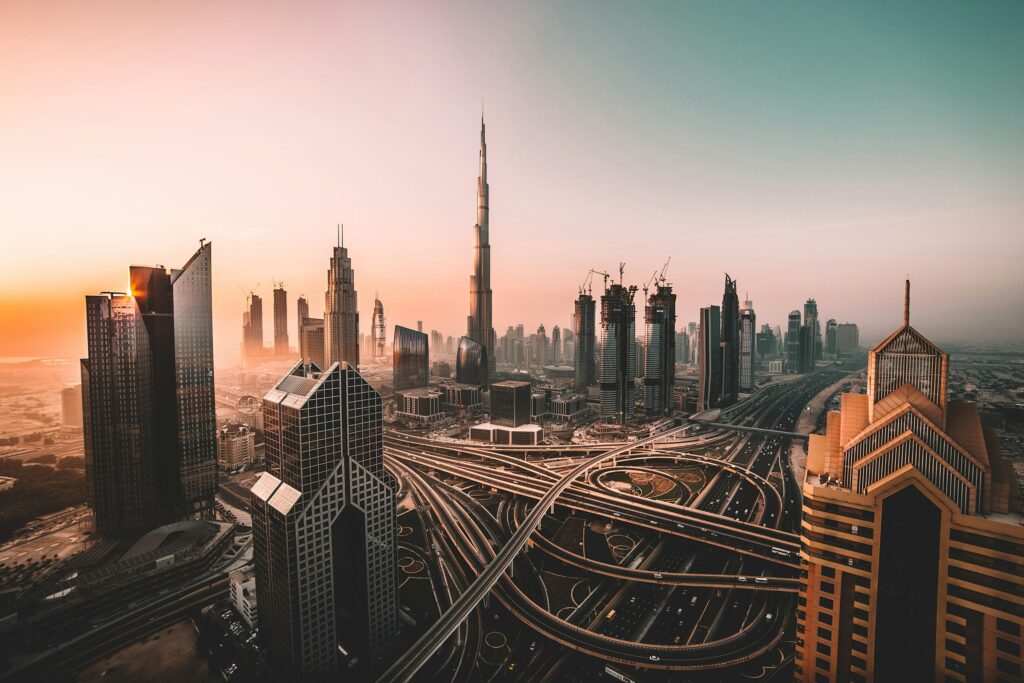
While photos of skyscrapers and luxury beaches suggest an ideal lifestyle, day-to-day living in Dubai can be challenging for many Europeans. The city is built around extreme heat – which means that much of life happens indoors. During summer months, outdoor activities are nearly impossible, with temperatures exceeding 40°C, combined with humidity and dust.
The city’s design also prioritizes cars over walkability. Outside the central areas, walking is uncomfortable or impossible, public transport is limited, and everyday tasks require driving. This lifestyle can be difficult for Europeans used to compact cities and accessible infrastructure.
Culturally, Dubai is modern but still part of the Islamic world. Certain norms, rules, and aspects of daily life differ significantly from Europe. While some may adapt easily, others may find these differences restrictive. This, too, impacts long-term demand for housing and residency.
Summary: Attractive, But Highly Speculative Market
At first glance, Dubai looks extremely appealing. However, much of its real-estate market relies on expectations, marketing, and rapid development rather than stable, long-term demand. Risks of overheated market, off-plan dominance, potential price corrections, and lifestyle specifics make it suitable mainly for short-term speculation. For investors seeking predictability and steady returns, Dubai can be a risky choice.
Why Tenerife and the Canary Islands Are a Safer Long-Term Choice
Tenerife represents the opposite of fast-paced, hype-driven markets. The local property market is stable, predictable, and grounded in real, long-term demand. As part of Spain, and the European Union, the Canary Islands benefit from high levels of legal protection, transparency, and regulatory reliability. This combination makes Tenerife one of the most secure long-term investment options in Europe.
Legal Certainty and Investor Protection Within the EU
One of the biggest differences between Spain and Dubai lies in legal structure. Spain operates under a well-defined, transparent real-estate system built on EU legislation. Every transaction must be completed before a notary, who verifies the identity of the parties, reviews the property’s title, and checks for debts or legal restrictions. This ensures buyers know exactly what they are purchasing.
For new developments, Spain requires bank guarantees for all payments made during construction. If a developer fails to complete the project, the buyer’s money is protected – a level of security that Dubai does not consistently offer.
Another major advantage is that EU citizens do not need any visas to purchase property or stay long-term in Spain. With only an NIE number and simple administration, owning a property in Tenerife is as straightforward as in any other EU country.
Dubai, on the other hand, operates on a sponsorship-based visa system linked to employment or the value of purchased property, and the visa duration is temporary.
A Strong and Exceptionally Stable Year-Round Tourism Market
Tenerife offers something truly unique in Europe: a genuine year-round tourist season. Thanks to stable temperatures between 20–28°C, the island is attractive in winter, summer, and everything in between. Tenerife welcomes roughly 7 million visitors a year, a remarkable number given its size.
This steady tourism flow creates a solid foundation for rental investments. Unlike most European destinations that rely heavily on summer months, Tenerife maintains consistent occupancy throughout all 12 months. This contributes to stable rental income, predictable returns, and far less vulnerability to seasonal or economic fluctuations.
Diverse Lifestyle and Strong Cultural Compatibility
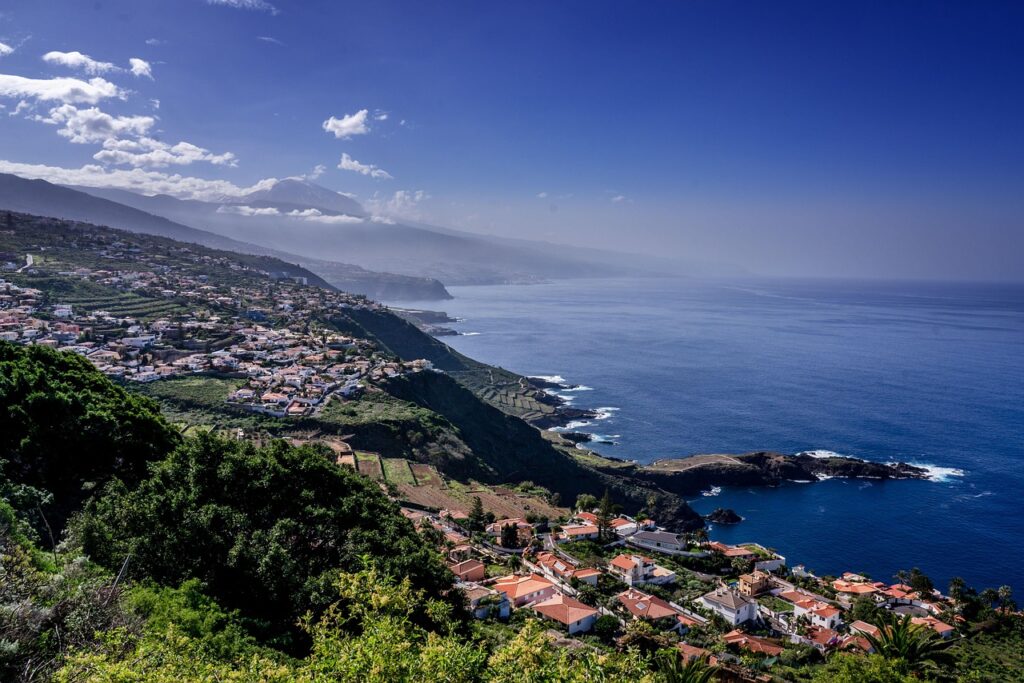
Tenerife is more than a holiday resort – it’s a fully livable island offering remarkable diversity. Sandy and volcanic beaches, mountain landscapes, lush forests, colonial towns, surf spots, and modern European-standard amenities all coexist on one island. This attracts not only tourists but also long-term residents who choose Tenerife as a place to live.
Culturally and socially, Tenerife is far closer to Europe than many other sunny destinations. It offers freedom, safety, democracy, openness, and a genuine sense of community – qualities that resonate strongly with European investors. This combination creates long-term demand for both living and renting, making Tenerife a naturally resilient market.
A Real Secondary Market With Completed Properties
One of Tenerife’s biggest advantages is its strong secondary market of completed, proven properties. Investors are not forced to purchase off-plan projects or wait years for construction to finish. Most transactions involve existing apartments with rental histories, photos, reviews, and real occupancy data. This allows for realistic financial analysis based on facts rather than projections.
Additionally, completed properties on the Canary Islands tend to sell quickly thanks to consistent demand from tourists as well as full-time residents. This lowers investor risk significantly compared to markets dominated by speculative, construction-dependent transactions.
Realistic Returns Without Excessive Risk
Rental yields in Tenerife are not inflated – they are achievable and stable. Short-term rentals in tourist areas typically yield 8–12% annually, supported by year-round demand. Long-term rentals usually yield 5–8%, which is considered strong in the European context.
Most importantly, these returns are not dependent on market speculation. Tenerife offers consistent demand, a predictable environment, and an economy driven by everyday life rather than hype. It is a market built on fundamentals, not on promises.

Tenerife vs. Dubai: A Clear Comparison
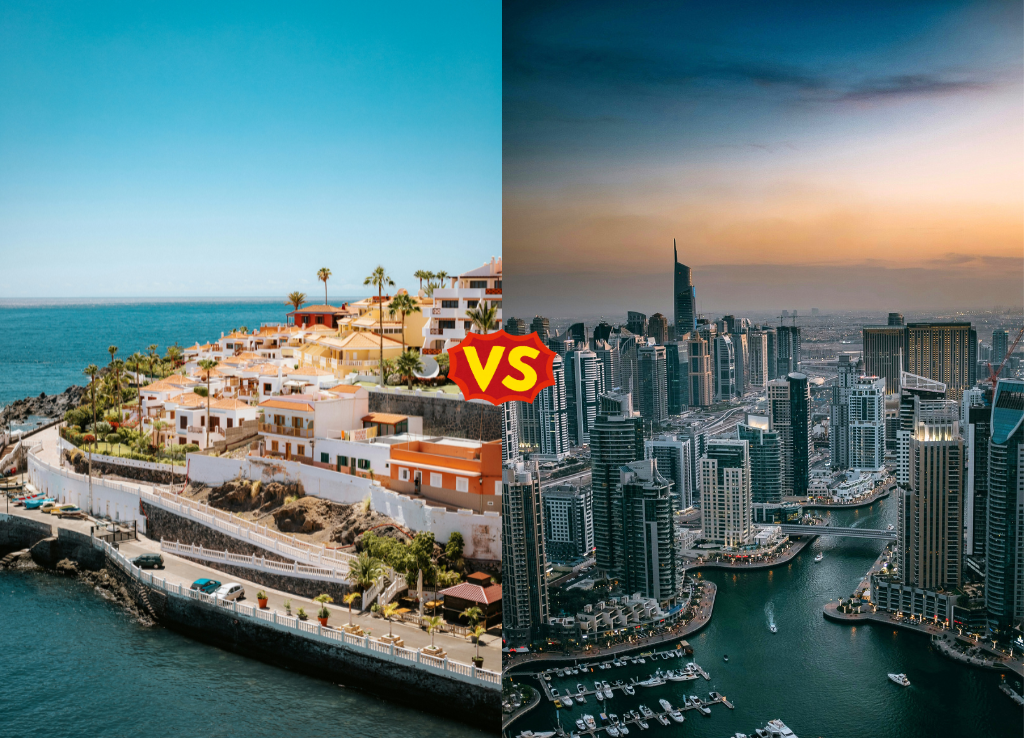
When you place both markets side by side, the contrasts are striking. While Dubai attracts with rapid growth and flashy marketing, Tenerife stands on long-term stability, European legal protections, and real demand.
| Category | Dubai | Tenerife |
| Market Risk | Very high, overheated, potential corrections | Low to medium, stable EU market |
| Typical Sales | Mostly off-plan (3–5 year wait) | Completed properties with proven performance |
| Environment | Extreme heat, limited outdoor living | Mild year-round climate, nature, diversity |
| Liquidity | Weak resale market, high competition | Strong demand for existing properties |
| Culture & Lifestyle | Culturally distinct, Islamic norms | European, open, culturally familiar |
| Returns | High on paper, inconsistent in practice | Stable, realistically achievable yields |
| Legal Security | Weaker buyer protection, visa dependency | Strong EU protection, no visa needed |
| Long-Term Living | Challenging for many Europeans | Comfortable, safe, well-developed |
Who Should Invest in Dubai and Who Should Choose Tenerife?
Although both destinations are often compared, they appeal to entirely different types of investors.
Dubai is suitable for those seeking quick, speculative gains, who are comfortable with high risk, market volatility, and the uncertainties of off-plan projects. It’s exciting, fast-moving, and unpredictable – but far from stable.
Tenerife, on the other hand, is ideal for investors who value stability, transparency, and long-term, realistic returns. It’s perfect for those who want a property they can both rent out and personally enjoy, in a culturally familiar and safe European setting.
In short: Dubai is for risk-takers; Tenerife is for investors who prefer to sleep well at night.
How Tenerife Compares With Other Popular Destinations
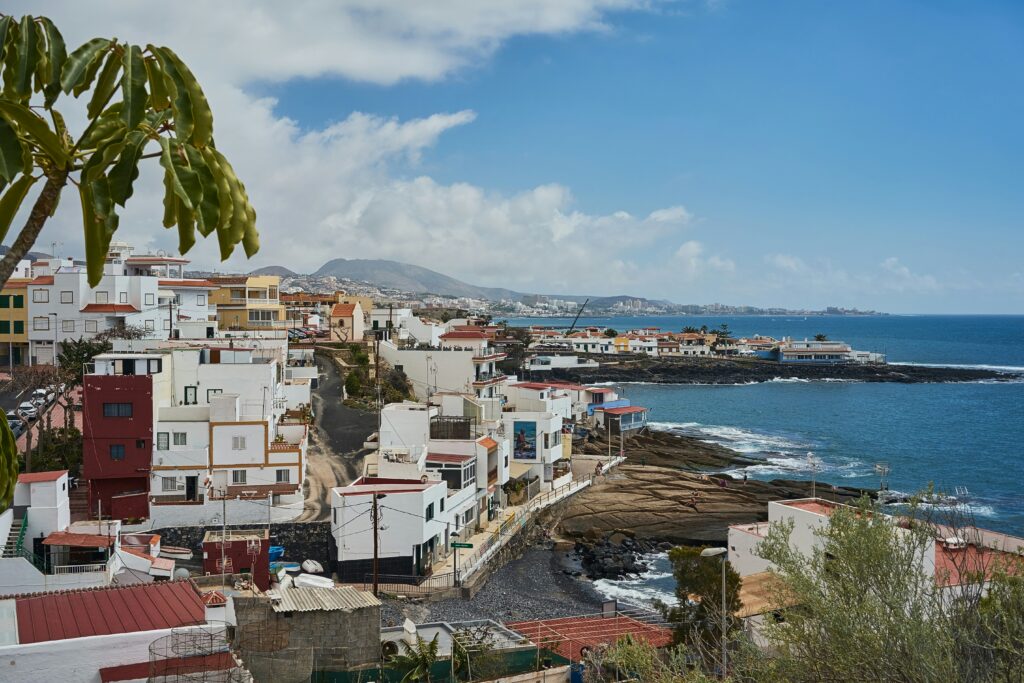
Tenerife often appears on lists of top international property markets – but it is by no means the only option Europeans consider. Other destinations, such as mainland Spain, Cyprus, Bali, or Croatia, each offer unique benefits but also limitations. When comparing them more broadly, Tenerife’s strengths become even clearer.
Mainland Spain: Attractive, but Seasonal
Mainland Spain remains a classic favorite among European investors. Coastal regions like Costa del Sol, Costa Blanca, and vibrant cities like Barcelona boast excellent infrastructure, strong tourism, and straightforward property transactions.
However, most of mainland Spain suffers from pronounced seasonality. Tourism peaks between June and September, and rental yields outside the summer drop significantly. This pushes many investors toward long-term rentals, which offer lower returns than short-term rentals in Tenerife.
Another challenge is high competition. The coast is saturated with apartment complexes and resorts, making it harder for properties to stand out. Prices in some regions have also risen considerably, reducing yield potential.
Tenerife, by contrast, benefits from year-round demand and, thanks to its unique tax system, lower taxes than mainland Spain, particularly through its reduced IGIC rate. This often results in higher net returns and lower operational costs.
Cyprus: Stable, Pleasant, but Limited in Scale
Cyprus offers a pleasant climate, widespread use of English, and a favorable tax environment. Yet it is a relatively small market with higher seasonality than the Canary Islands. Rental yields tend to fluctuate more, and short-term rentals are subject to specific regulations and licensing, limiting investor flexibility.
Bali: Exotic With High Potential… and Even Higher Risk
Bali is a dream destination for many tourists, but from an investment perspective, it is complex. Foreigners cannot legally own land, leading to nominee arrangements that carry significant legal risk. The market is heavily dependent on tourism – and the pandemic showed how quickly it can collapse. Infrastructure and construction quality are inconsistent, making Bali less reliable than European destinations.
Croatia: Beautiful, but Strongly Seasonal
Croatia is excellent for holidays but has a very short rental season – realistically three to four months. Outside the summer, demand drops sharply. High competition from thousands of private landlords further reduces rental yields. This makes Croatia far less stable than Tenerife for consistent rental income.
Tenerife: The Most Rational Long-Term Choice
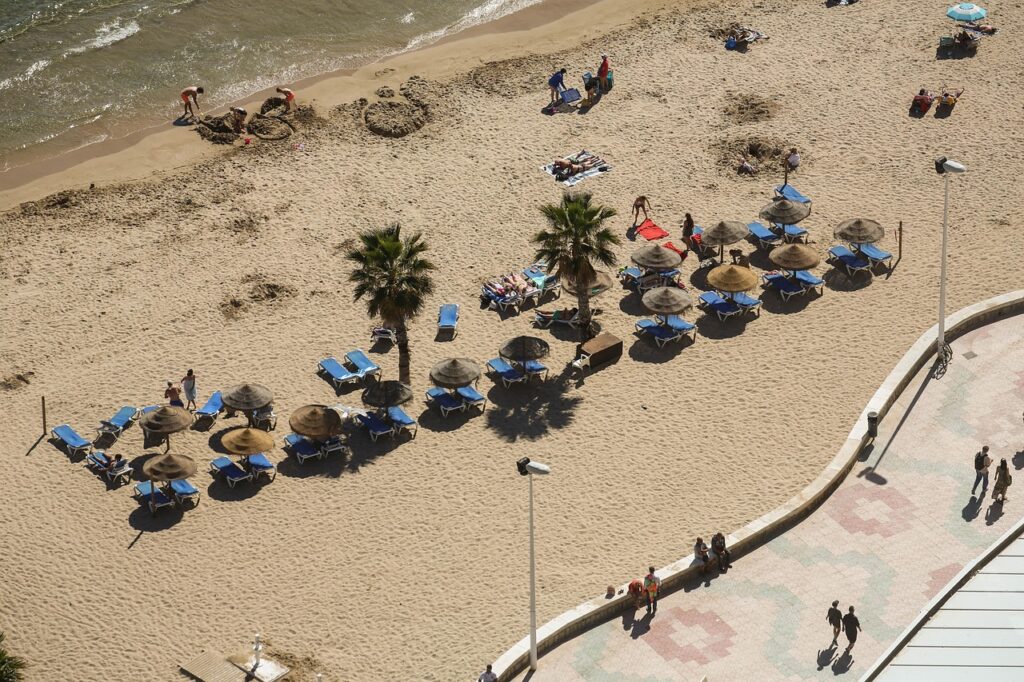
Considering all aspects – market stability, legal protection, rental yields, cultural compatibility, and quality of life – Tenerife and the Canary Islands stand out as one of the most balanced and secure real-estate destinations for Europeans. Dubai may offer quick spikes in growth and impressive visuals, but it comes with significant uncertainty and speculative risk. Meanwhile, mainland Spain, Cyprus, Croatia, and Bali each lack one or more key fundamentals that Tenerife consistently delivers.
Tenerife offers European legal certainty, attractive property prices, real rental demand, year-round tourism, a diverse lifestyle, and a mild climate. It is not dependent on trends but built on solid fundamentals. This makes it a truly rational choice for investors seeking stability, predictable returns, and a property they can both rent and personally enjoy.
If Tenerife has caught your attention as an ideal place to invest, feel free to get in touch with us. We’ll be happy to help you find a property that aligns with your expectations and investment goals.